

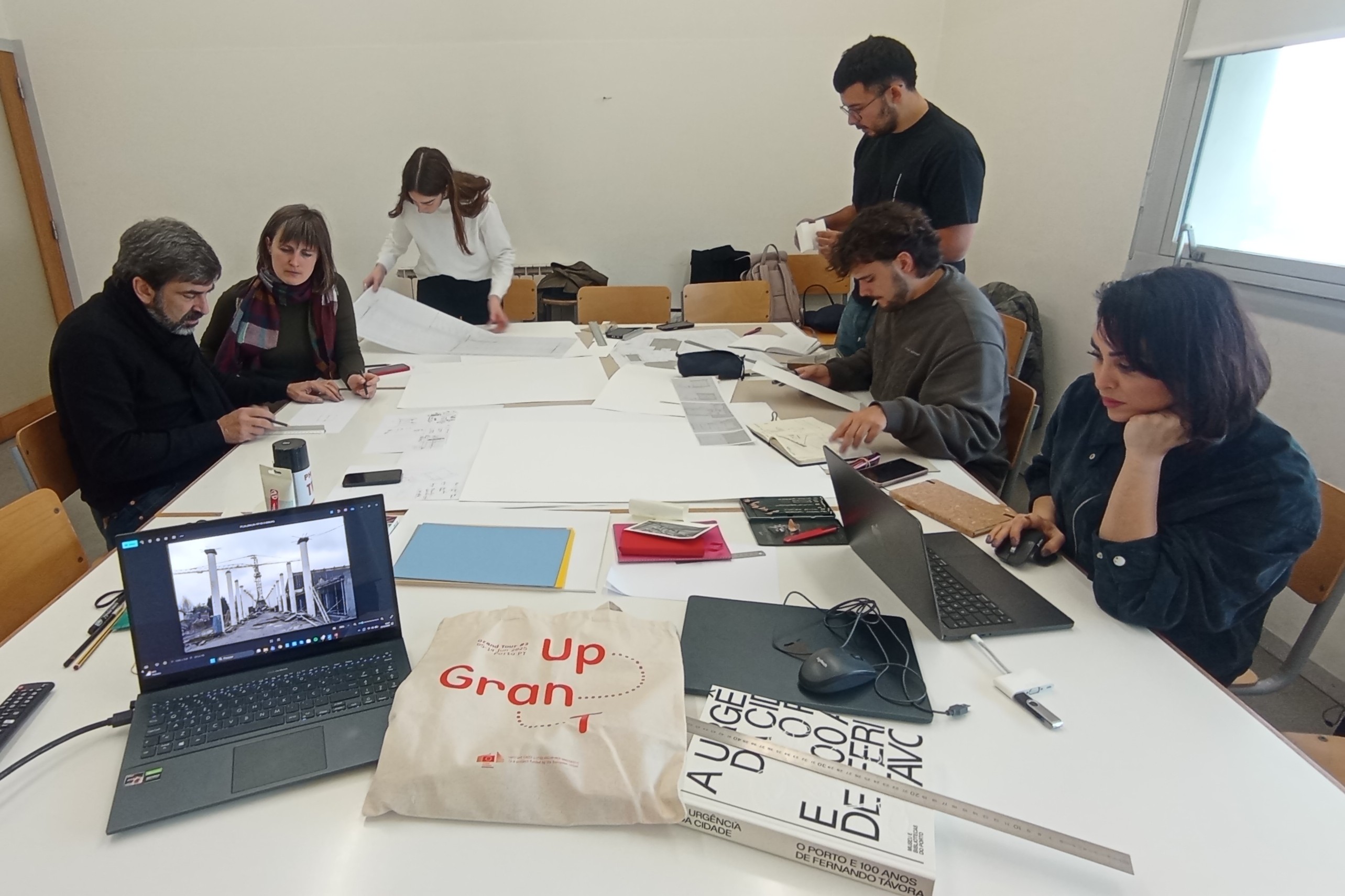
On December 19th and 20th, 2025, the FAUP Team recharged the IPL with the aim of developing Souvenirs of the three selected Exemplary Buildings. The results of the IPL reloaded were published in the "UpGranT Workbook of Affinities" and presented at the UpGranT Final Exhibition, in Thessaloniki.
Souveniers developed with FAUP students Anna Lopes, Hugo Pereira, Maria Gião, Parisa Etemadi, Tomás Martins.

Estonian Academy of Arts Interior Architecture department organises monthly morning coffee meetings where either teachers or students share their ongoing creative projects. During this meeting Gregor Taul gave an overview of the project UpGranT - Updating the Grand Tour. Memory and Invention of the European Built Environment illustrating the presentation with rich photo materials.

Visit to the IUAV archives to collect material related to Gianugo Polesello's project for the Campus of Las Palmas de Gran Canaria, Spain. This material will be used to write an article that will be published in the next issue of FAMagazine. Ricerche e progetti sull'architettura and dedicated to the project UpGranT - Updating the Grand Tour. Memory and Invention of the European Built Environment.

The AUTh team visits the Dimitris Fatouros archives at Modern Greek Architecture Archives at Benaki Museum. The archive holds Fatouros’ architectural drawings and texts.
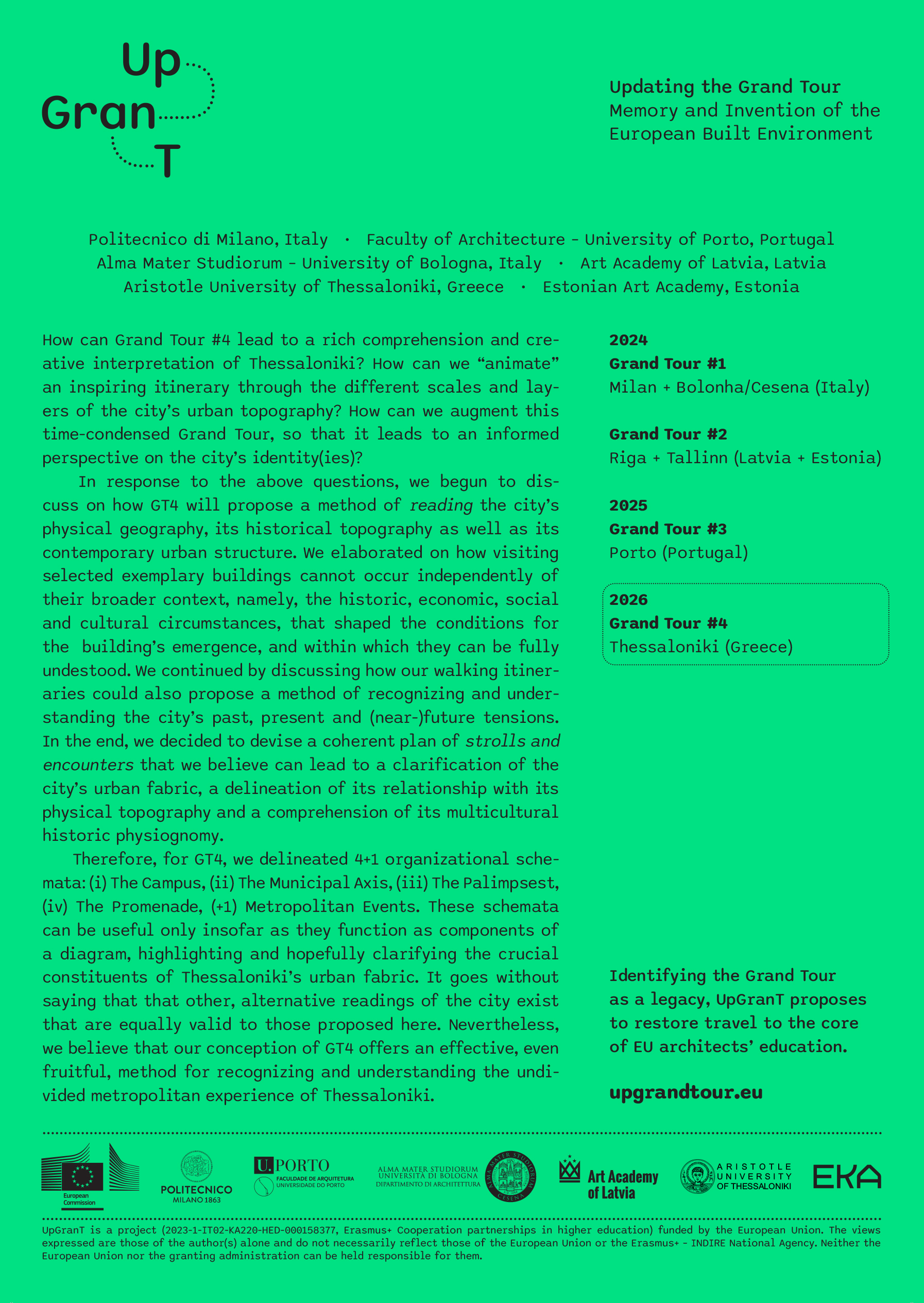
Grand Tour 4 #Thessaloniki Flyer

AUTh team talks with Professor Emerita Sofia Tsitiridou, one of the initial people who took care of the Fatouros archive and one of the two curators of his retrospective exhibition. Among other things, Sofia Tsitiridou talked about Fatouros’ understanding of travelling as an integral part of practicing and teaching architecture.

Visit to the IUAV archives to collect material related to Luciano Semerani's project for the Osoppo Town Hall. This material will be used to redesign and create a model of the building. These are activities that are part of the UpGranT - Updating the Grand Tour project. Memory and Invention of the European Built Environment.

The Estonian Association of Architects is an organisation of architects, landscape architects and architecture scholars. The union’s main activity is architectural expertise, both in organising architectural competitions and in providing expert advice. It also has its own archive, which includes personal files of its members. On this visit, we looked at the membership cards of Vilen Künnapu and Toomas Rein, which provided information about their trips abroad during the Soviet era.

Leading us along the Baltic coast from Riga up until Tallinn, Grand Tour #2 allows us to explore the rich architectural history of this Northern European region. During this trip, there is a particular focus on the socialist modernism – ambiguous architectural heritage from the Soviet occupation period, as well as some remarkable examples of contemporary architecture.
> Read more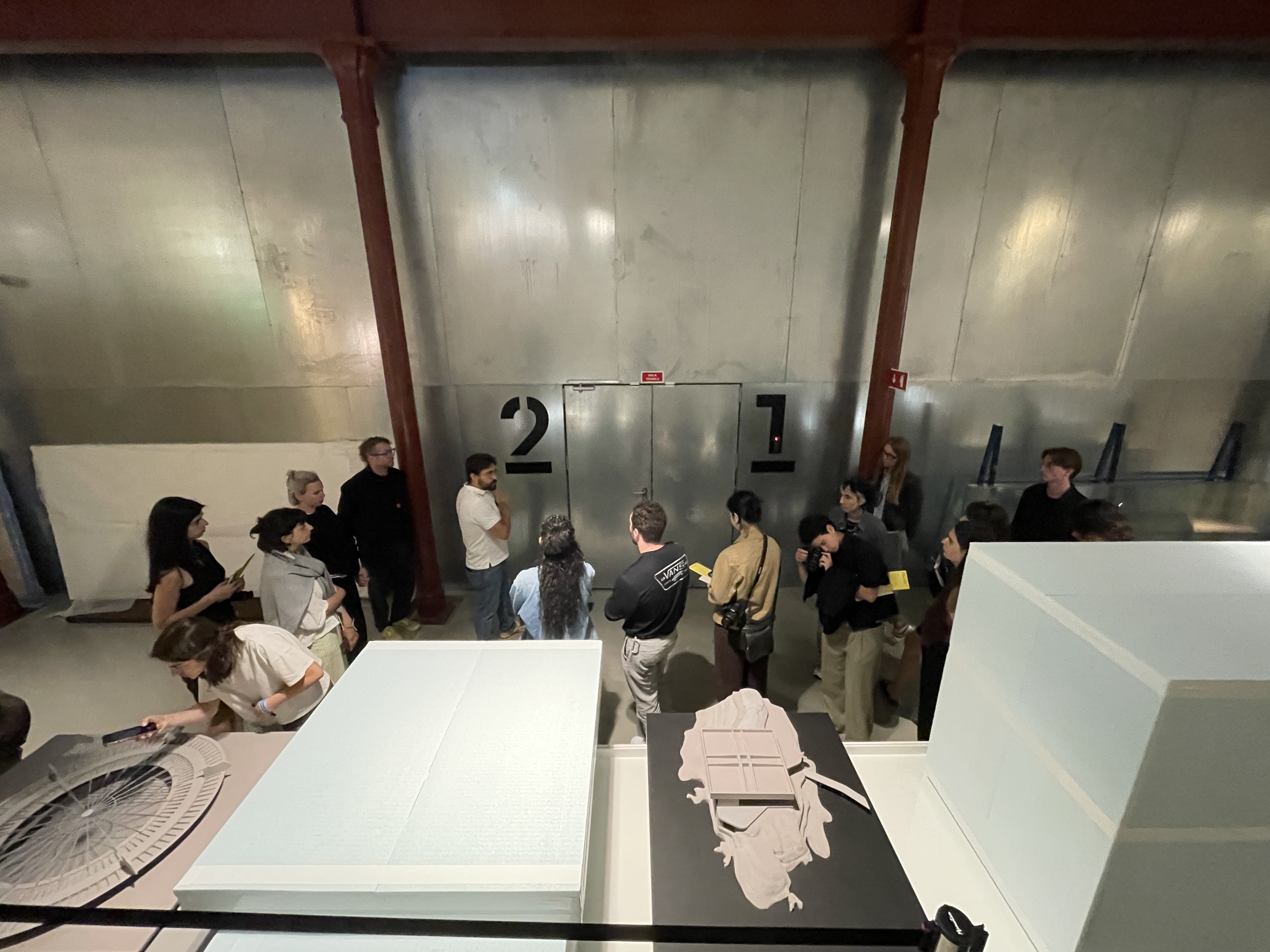
On June 13, 2025, during the IPL, the UpGranT project was welcomed in Casa da Arquitectura (the Portuguese Centre for Architecture), in Matosinhos.
The IPL participants enjoyed a free visit to the main exhibition, entitled "What is Missing: 50 Years of Portuguese Architecture in Democracy", followed by a special guided tour to the main archive led by its director, Arch. José Fonseca.
Porto Team thanks Arch. José Fonseca and Casa da Arquitectura.

Τhe AUTh team managed to access the Nikolaos Mitsakis library holdings at the Modern Greek Architecture Archives. The architect, although he never managed to travel abroad, held an impressive collection of foreign periodicals, particularly in French.

The first Grand Tour brought us to Italy, traveling to the cities of Milan, Bologna, Cesena, Pesaro, Modena and Parma. It was not only a unique opportunity to visit and experience extraordinary examples of architecture, but also the first in-person consortium meeting.
> Read more
The architects Aet Ader and Karin Tõugu talked about the history of their office b210 and how the participation in international programmes - Erasmus, Nordplus, as well as trips with art historian Mart Kalm - has played a big role in their creative work. As participation in the work of the European Architecture Students Assembly (EASA) was crucial to the creation of b210, we also talked about building international relationships during studies.
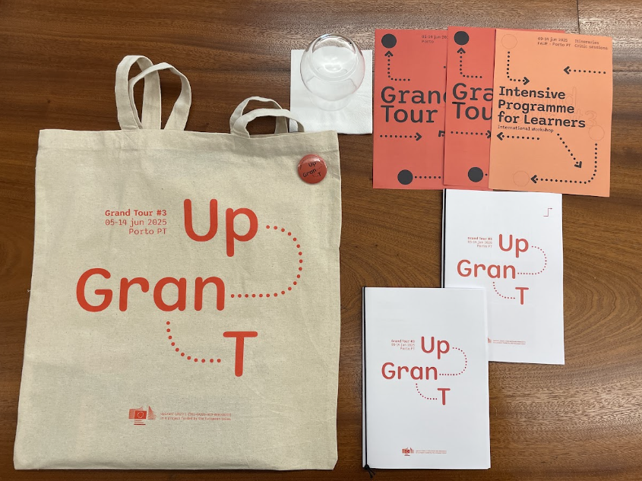
At the beggining of the IPL (Intensive Programme for Learners) and the GT#3, a pin and a tote bag, together with the dedicated flyers, were offered to all the participants (professors and students) to identify the activity and to be used during all the itineraries and to be taken home.

During the summer of 2024, visitors to the Latvian Academy of Art (LMA) at Kronvalda bulvāris were invited to discover Grand Tour #2 to Riga and Tallinn through a virtual exhibition. Installed on a large screen in Kronvalda Park, one of the most public in Riga, the exhibition reached far beyond the academic context, engaging not only students and staff but also a wide and diverse audience of passersby and city residents.
Positioned along a key pedestrian route leading to the faculty, the screen became an accessible urban interface, allowing every citizen to encounter the research and travel experiences of the Grand Tour. In this way, the exhibition extended into the public realm, transforming the park into a space for shared architectural reflection.
Curatorship, organization and installation: UpGranT - LMA Team (Liene Jākobsone and Manten Devriendt)
The IPL’s main objective was to experiment and test an in situ pedagogical model of learning by travelling through real spaces/buildings. IPL aimed to engage open, sensorial, and comprehensive in loco readings to go beyond available published information or digital dissemination and to identify the sense of the whole, the composition, the scale, the space, and the context, among other aspects. This re-reading of the building served as material for the elaboration of souvenirs, understood as physical objects that could be taken home as a remembrance of the design solutions experienced.
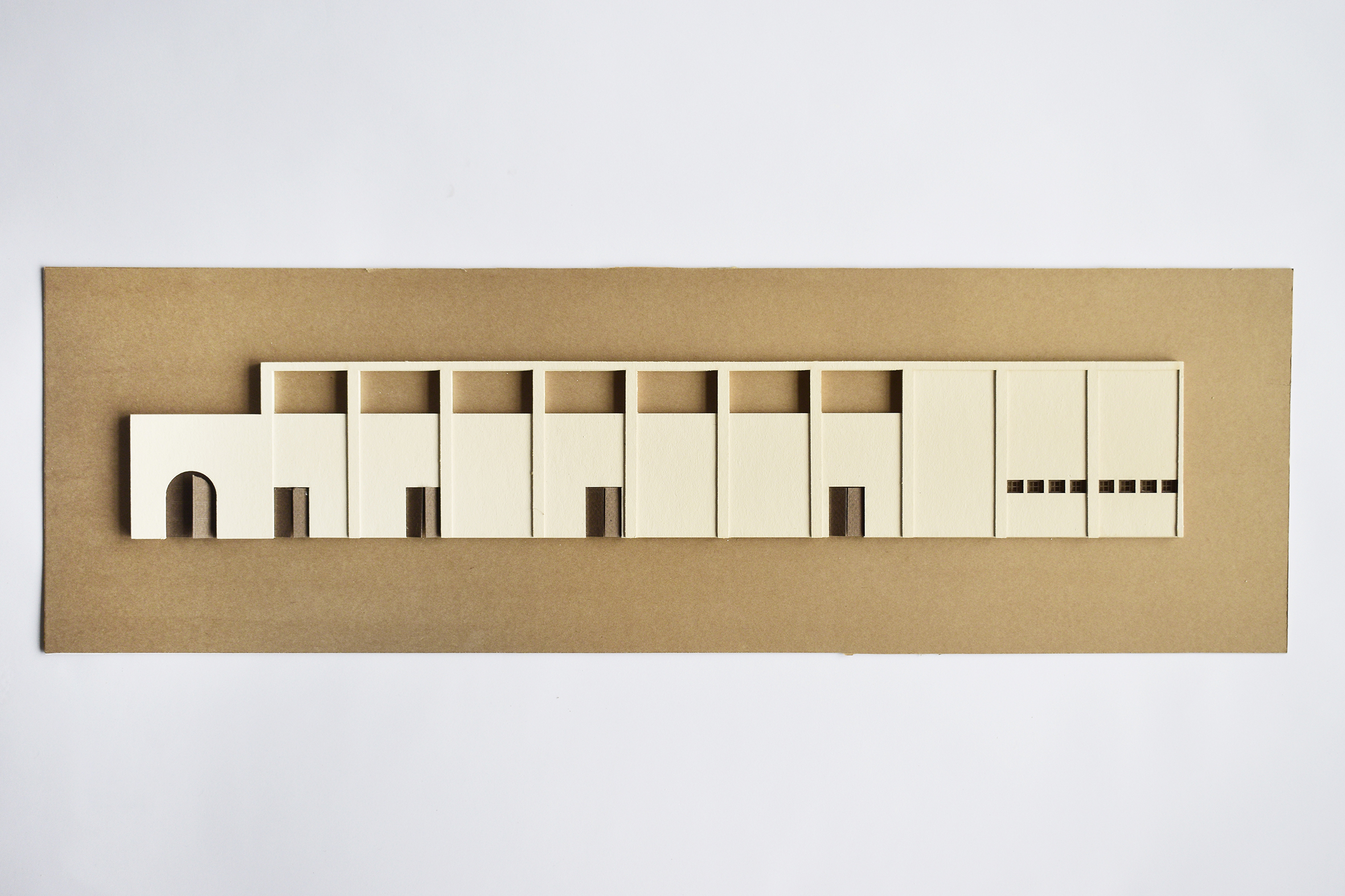
Architectural Model Elevation by architecture students Alexandra Agrafioti, George Kreopolis, Maria Eleni Kyriazis, Maria Eleni Tetepoulidou
Photo by Elissavet Vlahou & Stamatios Vouzikis
On: FAUP's Library lobby.
Developed by: William Roat, Hugo Pereira, Mattia Criscione, Eleni Madourou, Jaan Repnikov.
Partner Institutions monitored: postcard series (visual reinterpretation) – LMA and EKA; kinetic narratives (architectural narrative) – FAUP and AUTH; totem (model) – POLIMI and UNIBO.
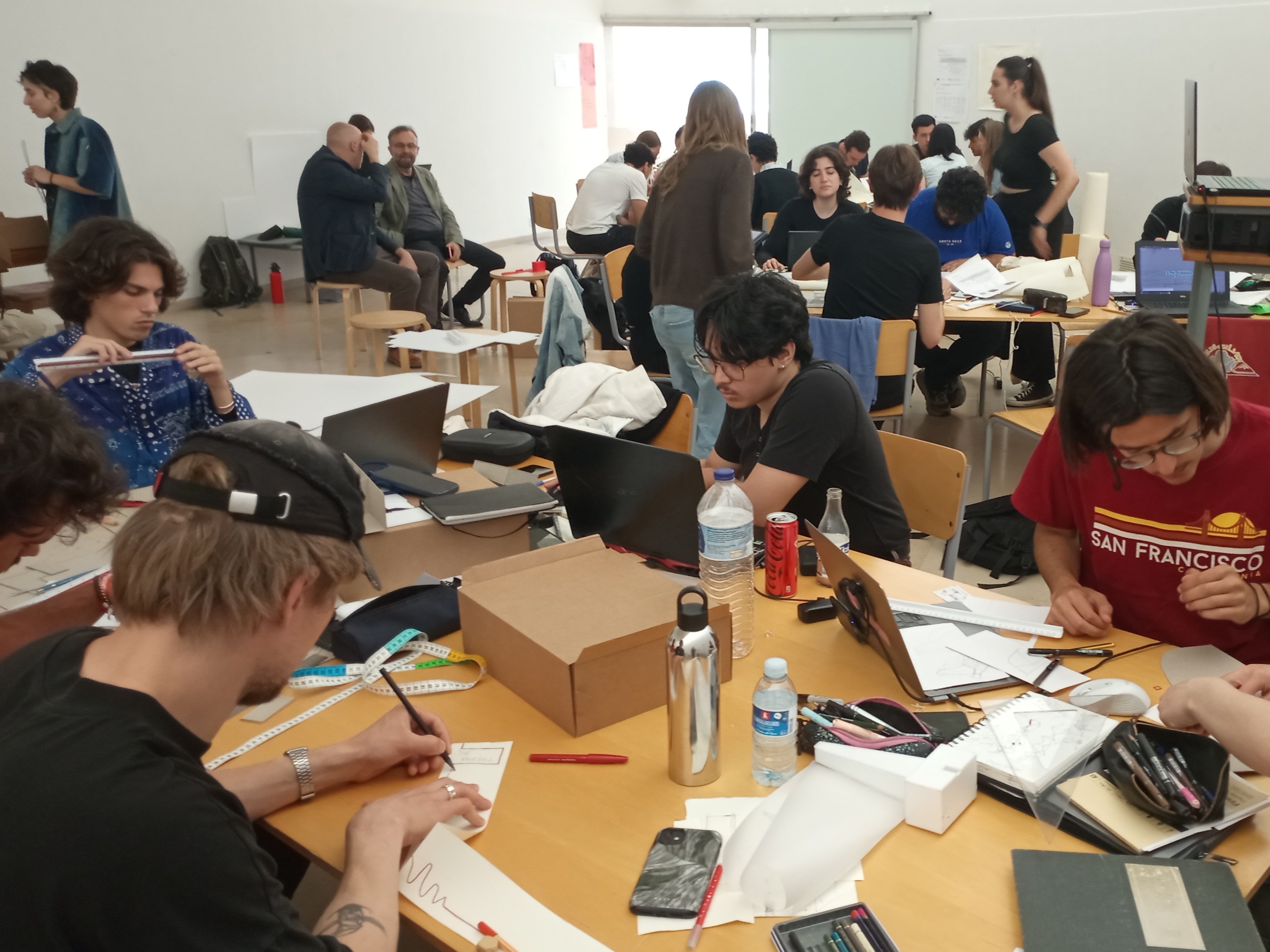
The IPL appropriated FAUP’s central museum, transforming it into a laboratory space open to the school, featuring thematic work sessions, presentations, guest talks on “Travel with Grand Tourists”, a conference on “Architecture Travels” and parallel itineraries / self-discovery routes.
The IPL work sessions were structured into three moments – “recognise”, “propose” and “build” – according to the main intermediate actions to be addressed.

AUTh team interviews Grand Tourist L. Papadopoulos on his extensive architectural travels and how his extrovert outlook informed his practice and teaching.

One of the satellite events of the 2024 Tallinn Architecture Biennale was the Open House Tallinn which opens up buildings that are otherwise hard to visit. Researcher Merilin Tee visited the Estonian Ministry of Foreign Affairs building which during the Soviet period served as the headquarters of the Communist Party in the Estonian Soviet Socialist Republic. The building was designed by Uno Tölpus, Olga Kontšajeva, Raine Karp and Mart Port. Karp and Port are two of the selected architects researched during the project UpGranT - Updating the Grand Tour. Memory and Invention of the European Built Environment. Unfortunately, the conference hall, which used to seat 600 people and is popularly known as “Sprat tin hall”, where Mart Port had a brave idea to fasten 60 000 oiled sprat tins to the ceiling, remained closed for the visitors. However, some of the well-preserved chairs from the hall could be seen in a modern press room.

Researchers Gregor Taul and Merilin Tee interviewed architect Vilen Künnapu in his studio in central Tallinn. Künnapu, one of the architects who has had the greatest impact on the appearance of Tallinn's city centre, has concentrated on painting for the past ten years. Through the windows of his studio, he can see several buildings he has designed in the Estonian capital. In the interview, we focused on the architects' travels during the Soviet period and discussed how, in the conditions of the Iron Curtain, a generation of radical architects emerged in Tallinn in the 1970s and 1980s, actively participating in the international architectural scene.
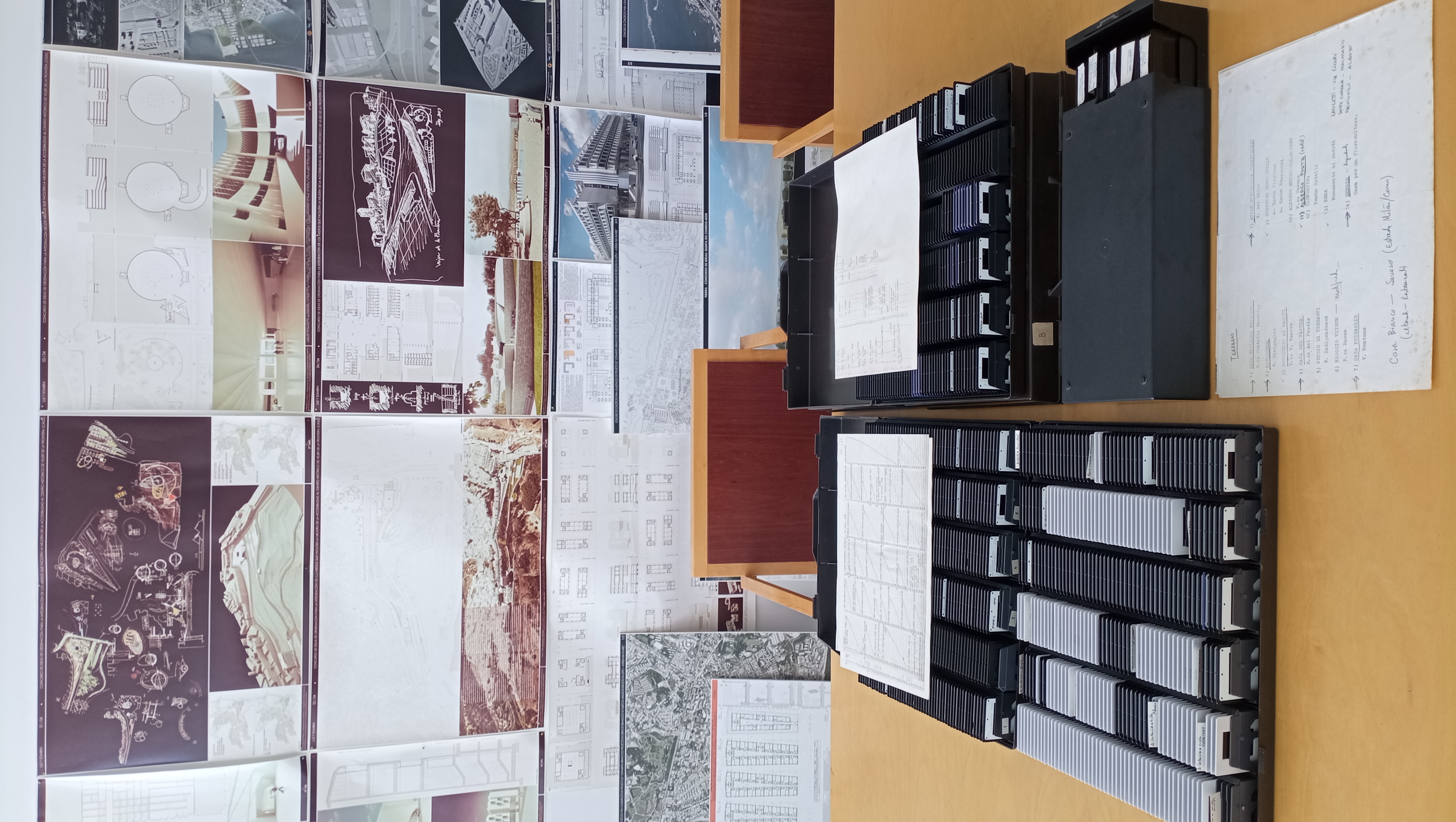
On April 7, 2024, Porto Team presented in person the UpGranT project to the Associação Pró-Arquitetura (APJAR) and collected archive documentation on João Álvaro Rocha's travels.
It was also the opportunity to collect the João Álvaro Rocha Architectural Map, that will be offered to the Grand Tour #3 participants.

The Estonian Museum of Architecture was founded for the purpose of collecting, preserving, studying and exhibiting materials on the formation and development of professional architecture in Estonia from the early 20th century to the present. The main part of the museum’s collections consists of architectural drawings, city plans, blueprints of buildings, photographs, models and other manuscript materials. The museum also keeps nearly 200 architect’s personal files where information about every person’s trips were recorded. During the visit to the museum we consulted the archival materials of Erika Nõva and Toomas Rein.
The conception of an updated version of the Porto Grand Tour within the UpGranT project is based on the challenge posed by today’s widespread dissemination process, which transforms travel and knowledge into generic matters.
It was clear from the start that it is not possible to express in depth Portuguese culture or its architecture in a few days, particularly given the significant differences between the rich particularities that characterise the north and the south, hinged on the cities of Porto and Lisbon.
The Grand Tour seeks a fil rouge that will allow us to build an informed narrative portraying a certain way of thinking and being in a region, northern Portugal, linked to a particular school known as the “Porto School”, depicting the 10 Grand Tourists criteria. Nevertheless, these premises are guided by the curators’ personal readings and perspectives toward the “Porto School” notion and its relationship to the premises of modern architecture.
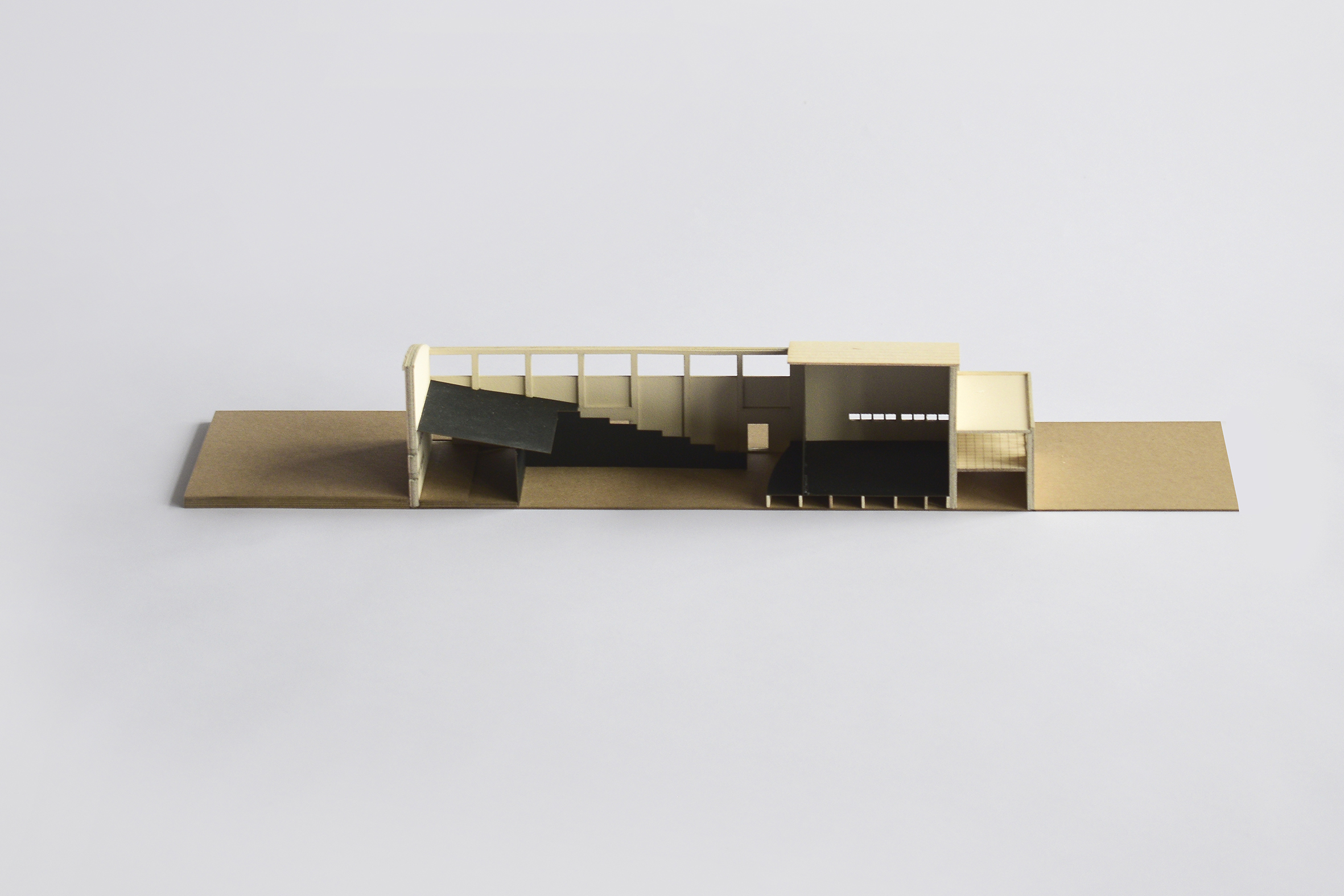
Architectural Model Section by architecture students Alexandra Agrafioti, George Kreopolis, Maria Eleni Kyriazis, Maria Eleni Tetepoulidou
Photo by Elissavet Vlahou & Stamatios Vouzikis

During the 2024/2025 autumn semester Estonian Academy of Arts Interior Architecture first year MA students lived and worked in the Kuldne Kodu terraced building designed by architect Toomas Rein. As part of the course Presentation Methods the students worked in the building for four days with their tutors (Viktoria Ugur, Triin Kampus), getting to know the house and its residents by visiting various apartments. The aim was to learn about the building through sketching and modelling.

Just a bit before Christmas holidays Gregor Taul and Merilin Tee had a chance to interview Margit Argus in her office. We talked about Margit’s studies, starting her own office and her travels throughout her career.

During the Teaching Module well-established teaching methodologies were applied, including the interpretation of selected architectural works through redrawing and model-making. The objective was to highlight a particular aspect of the chosen architectures, the results met expectations. In the initial phase, students were divided into groups, each assigned a case study. The groups then began studying the building, aided by a bibliography specifically provided to help them grasp its key aspects. Once this phase was completed, discussions were held with the supervising professor to determine which of these “special aspects” should be emphasized in the interpretation. During the exercise, selecting this “special aspect” represented a crucial moment, as the tools and methodologies for its interpretation varied depending on its characteristics. This interpretative method could be applied to many other architectural works and would allow for a deeper understanding of them.

Interview with architect Renato Rizzi on issues related to the project UpGranT - Updating the Grand Tour. Memory and Invention of the European Built Environment. Renato Rizzi answered the following questions:
- What is your relationship with the idea of traveling and what are the places you have visited and those that have most influenced your way of thinking about architecture?
- What journey, even intellectual, and therefore not only physical, would you recommend to an architecture student?
- What is a landscape, a place, a physical and real city, or even a building, a work, that you would recommend to an architecture student to see?
- Speaking of images, what relationship does it have with the memory of what you see and, when you go on a journey, do you help your memory for example by making drawings, photographs, or bringing objects?
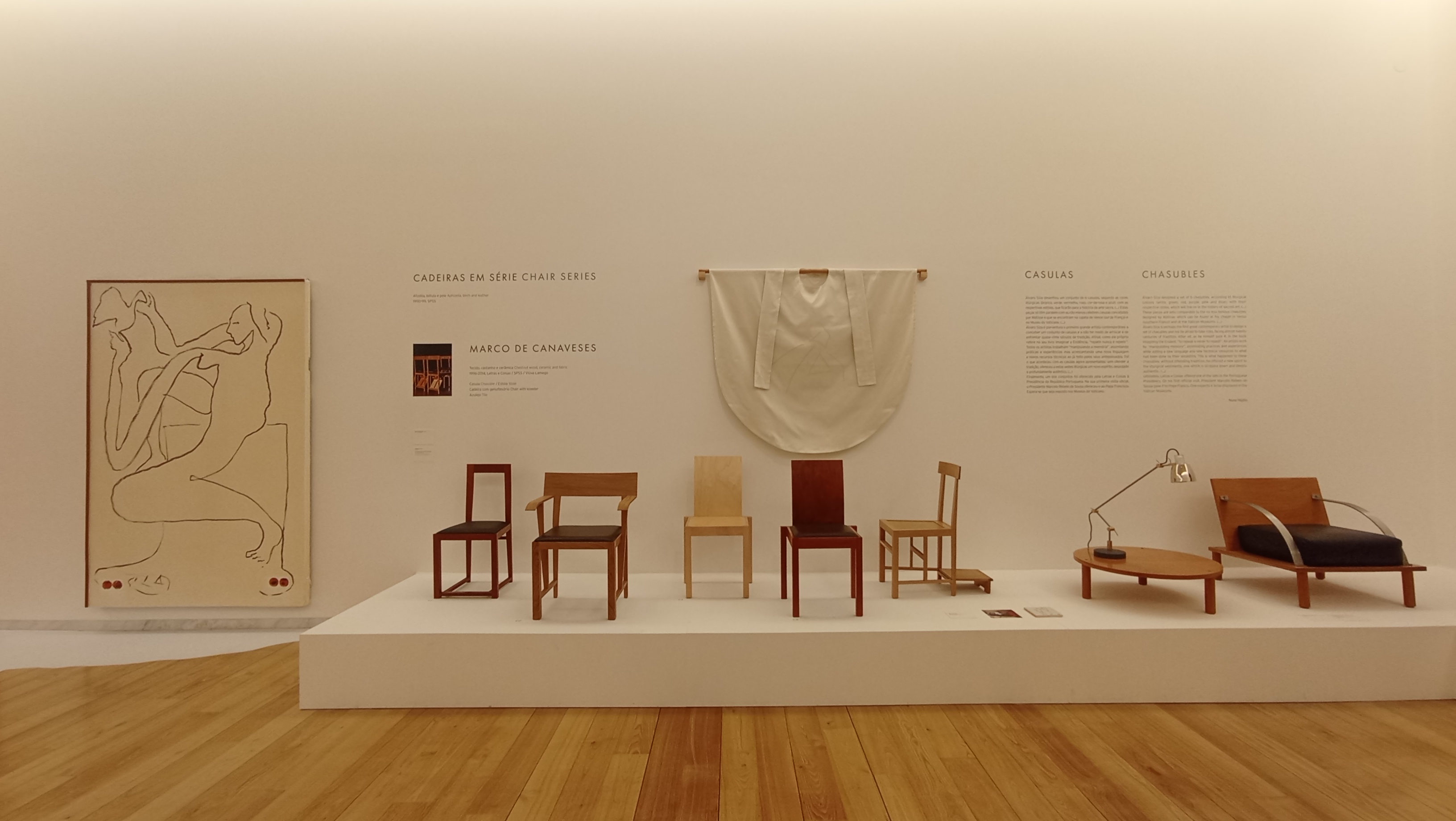
Objects and furniture conceived in symbiosis with the architectural spaces by the Porto’s Grand Turist Álvaro Siza are in exhibition in the Serralves Museum of Contemporary Art, UpGranT’s Partner Institution.
Porto Team visited “Álvaro Siza: Designing the everyday life”, that include items namely from Porto’s Exemplary Building Santa Maria Church and Porto’s IPL case study, FAUP, together with different design references, from Aalto, to Wright or Mackintosh.

The AUTh team visits the Dimitris Fatouros archives, part of the Hellenic Literary and Historical Archive. The archive holds an impressive collection of Fatouros’ various travel memorabilia, demonstrating an incessantly inquisitive voyager and evidence collector.
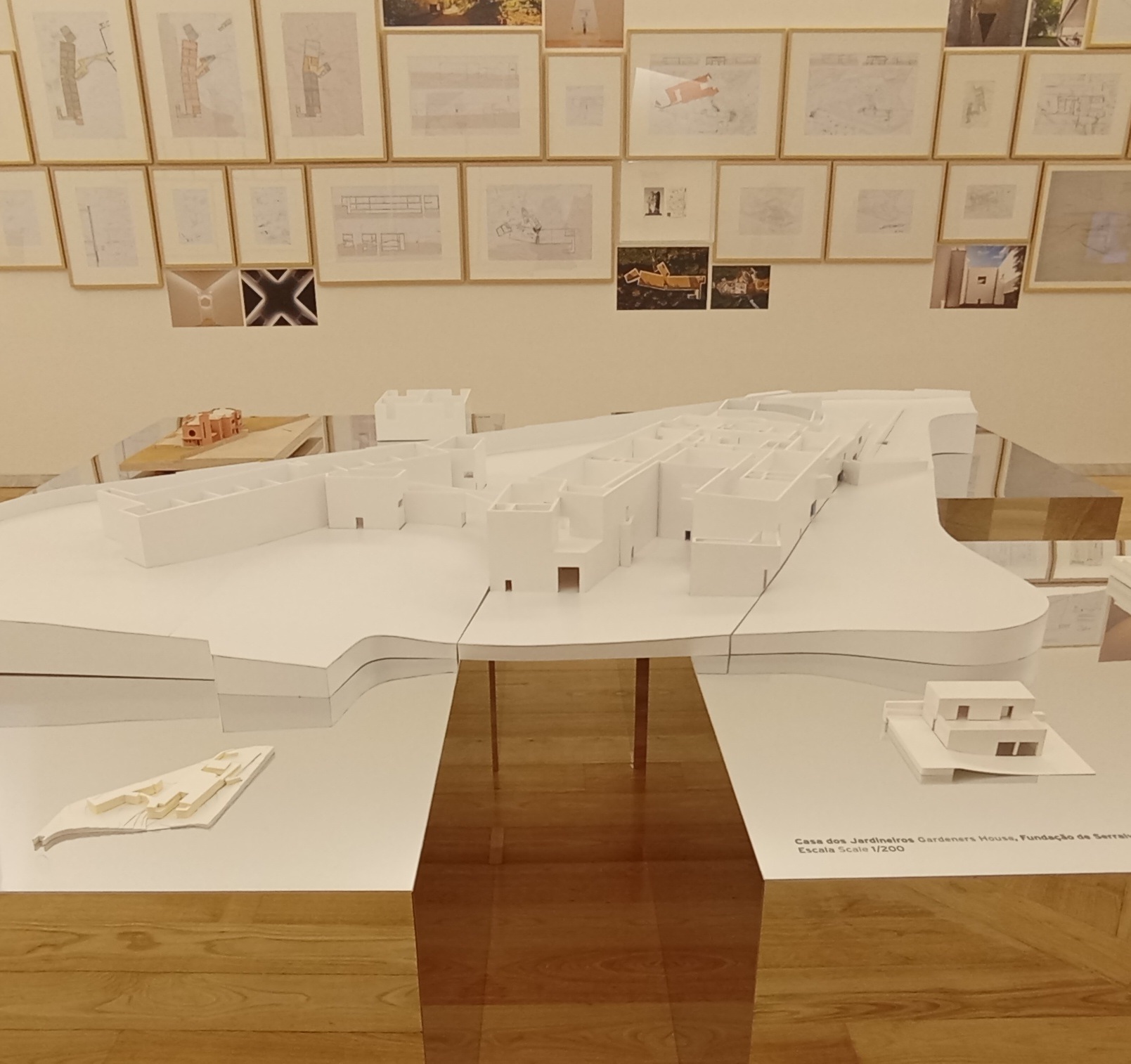
On June 19, Porto Team presented in person the UpGranT project to the Serralves Museum of Contemporary Art and signed the protocol that permits access to the archival documentation on Álvaro Siza’s work, namely the selected projects Marés Swimming Pool and Serralves Foundation buildings.
On July 1, on an afternoon work session, Porto Team collected archive documentation on Álvaro Siza’s projects for Porto’s Faculty of Architecture, the case study of UpGranT’s International Workshop – Intensive Programme for Learners, that will take place in Porto, from June 9 – June 14, 2025.

Between May 27 and June 20, 2024, all who stepped inside FAUP’s library were invited to glimpse Grand Tour # 1 to Milano and Bologna (Cesena) through a virtual exhibition.
FAUP’s library is specialized in Architecture and dedicated to serve not only the scientific community of the Faculty and University but also the general public.
The video presentation of Grand Tour # 1, together with its dedicated graphic material, was presented in the library’s main access, facing the lobby.
Curatorship, organization and installation: UpGranT - Porto Team (Helder Casal Ribeiro and Sílvia Ramos)
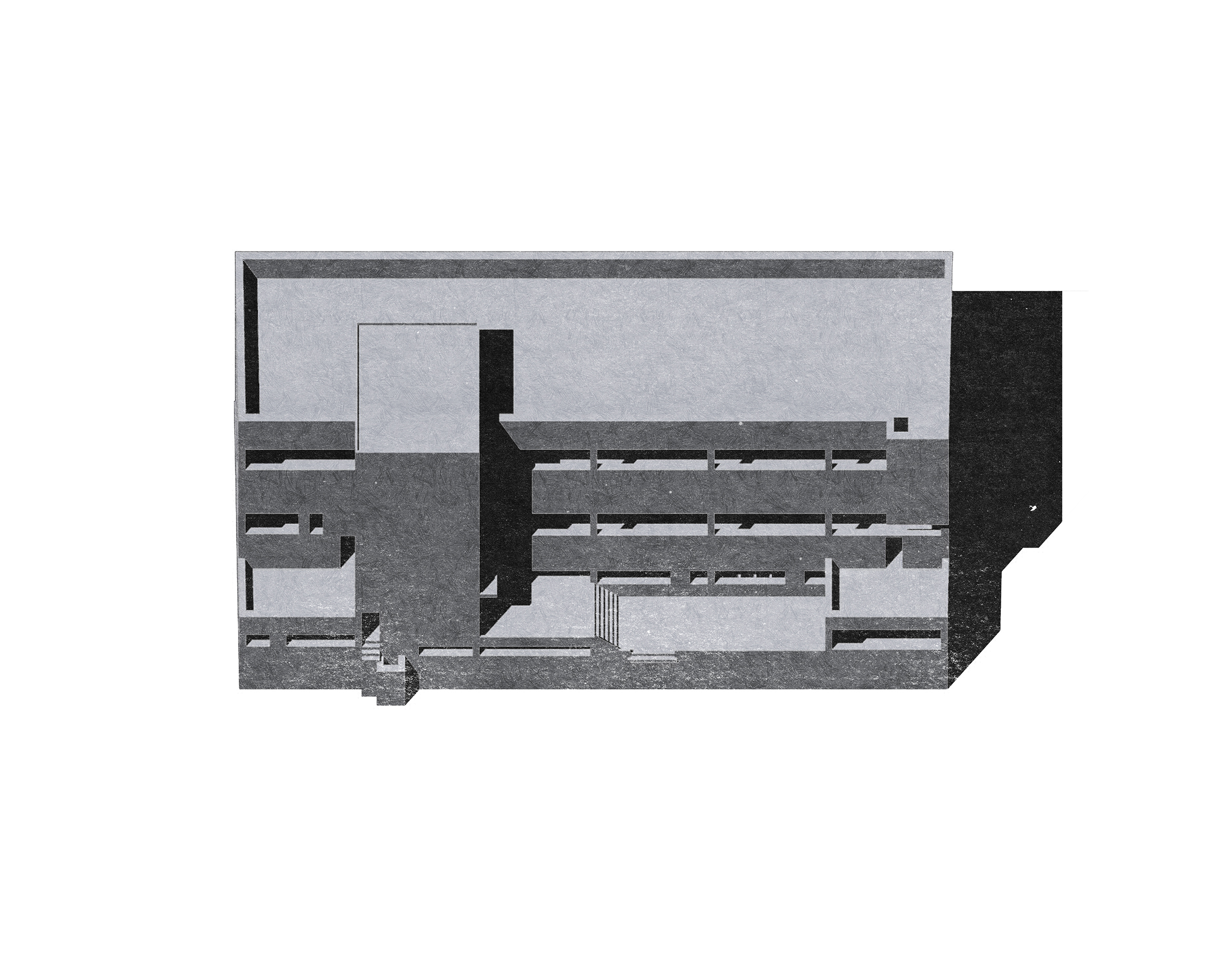
Drawing by architecture students Marina Bougia, Antonios Bouzouras, Angeliki Pantelidou, Stamatis Vouzikis

While preparing an article about Estonian architect Mart Port for FAMagazine, Gregor Taul became acquainted with Mart Port's writings from the Soviet period. In addition to his work as an architect and urban planner, Port was one of the most active writers on architecture in Soviet Estonia; his bibliography consists of several hundred articles. In addition to writing articles, he appeared hundreds of times on television and radio. In 1966, he published a book about his trip to England. In the Soviet period, engaging in the communication of architecture was called architectural propaganda. In official parlance, propaganda was a positive and constructive term.

On February 3, 2024, Porto Team was present at the closing session of “Fernando Távora. Pensamento Livre” [“Fernando Távora. Free Thought”], an exhibition celebrating Porto’s Grand Tourist Fernando Távora’s 100th birthday in the Institutional Partner Fundação Marques the Silva.
The session was the occasion for a conversation on Fernando Távora’s travels with the curators. The exhibition is informed by a wide selection of travel photographs not only from Fernando Távora’s archive but also from the archive of Porto’s Grand Tourist Alcino Soutinho, one of his travel partners.
The exhibition also presents Porto’s Exemplary Building House of the 24, Fernando Távora, 1995-2002.

On December 8, Serralves Museum of Contemporary Art, UpGranT institucional, launched the collection “SIZA: 90 YEARS”, on the last nine decades of the Porto’s Grand Tourist work, through the eye of a selection of friends, many Álvaro Siza travel partners, as the Porto’s Grand Tourist Eduardo Souto de Moura.
Porto Team was present in the event and selected the bilingual collection of ten volumes in a newspaper format, to integrate the team's book selection in UpGranT.
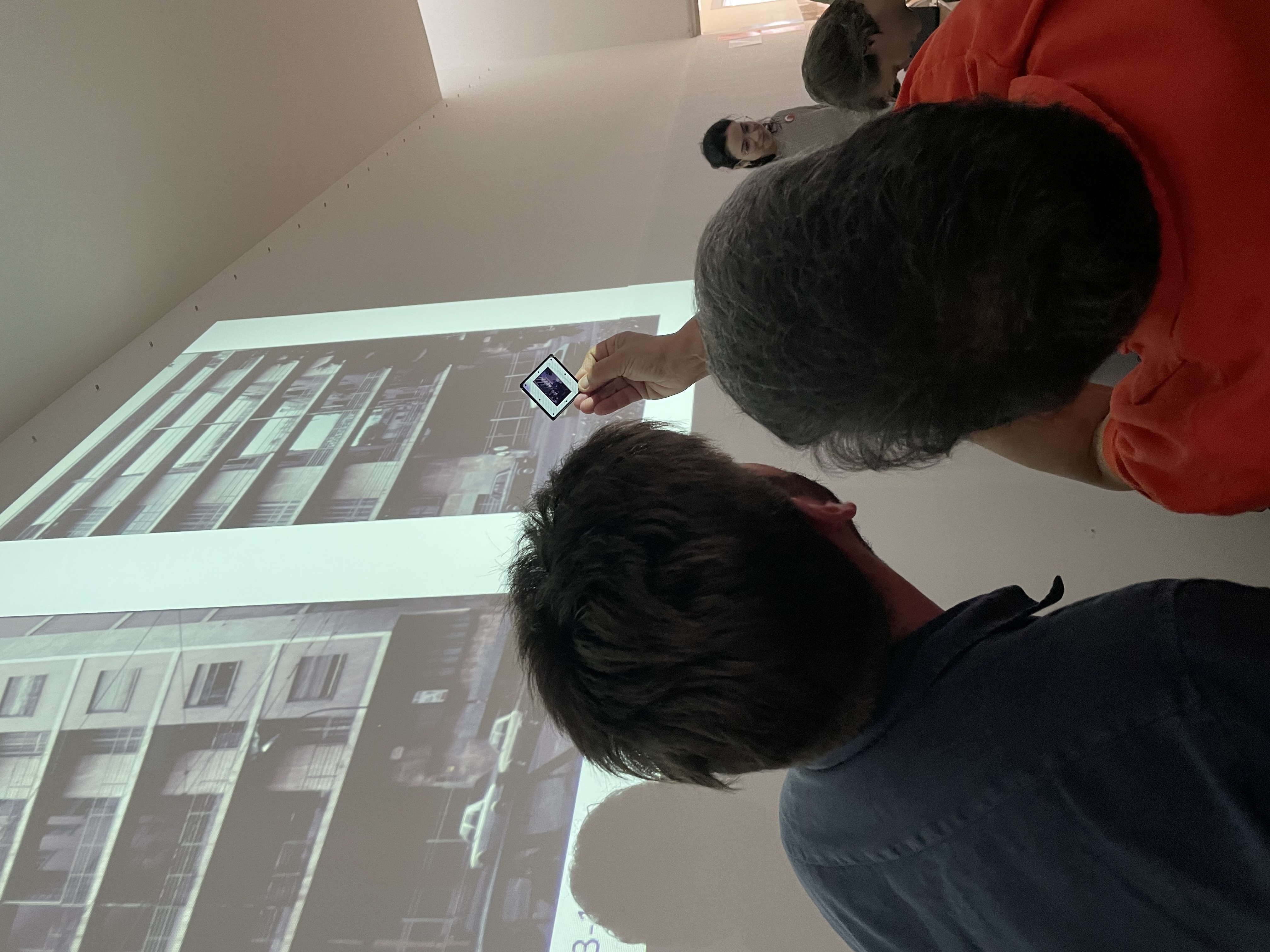
On June 10, 2025, Maria da Conceição Melo, with Joana and Pedro Rocha, participated in the Open Seminar held during the IPL with the open talk "Travelling with the Grand Tourist João Álvaro Rocha".
Maria da Conceição Melo was João Álvaro Rocha's wife and his traveller partner. She is an architect and responsible for Associação Pró-Arquitectura João Álvaro Rocha, which preserves his work and legacy.
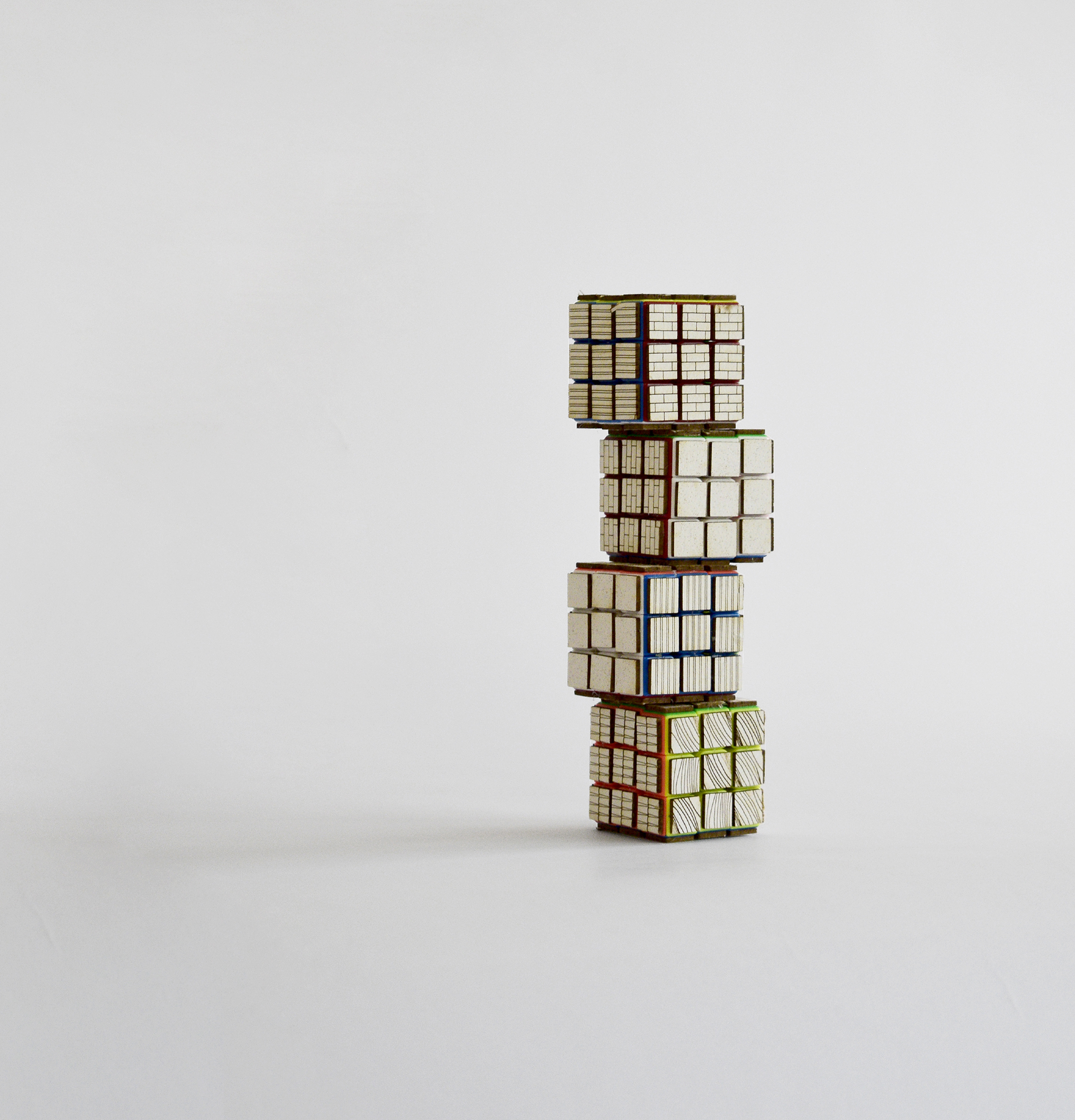
Visual Reinterpretation by architecture students Haris Kyriazis, Alexandros Polyzoidis, Ioannis Vassiliou
Photo by Elissavet Vlahou & Stamatios Vouzikis

Grand Tour 3 took place in Porto and its surrounding cities Penafiel, Braga, Santo Tirso and Matosinhos. The program began with a study trip by the participating universities, visiting key works by Álvaro Siza, Eduardo Souto de Moura, Fernando Távora and João Álvaro Rocha, complemented by lectures from local offices and a consortium meeting. This was followed by a ten-day workshop in which students from the different universities worked together intensively, using the research material of the project and engaging in a dynamic international exchange.
> Read more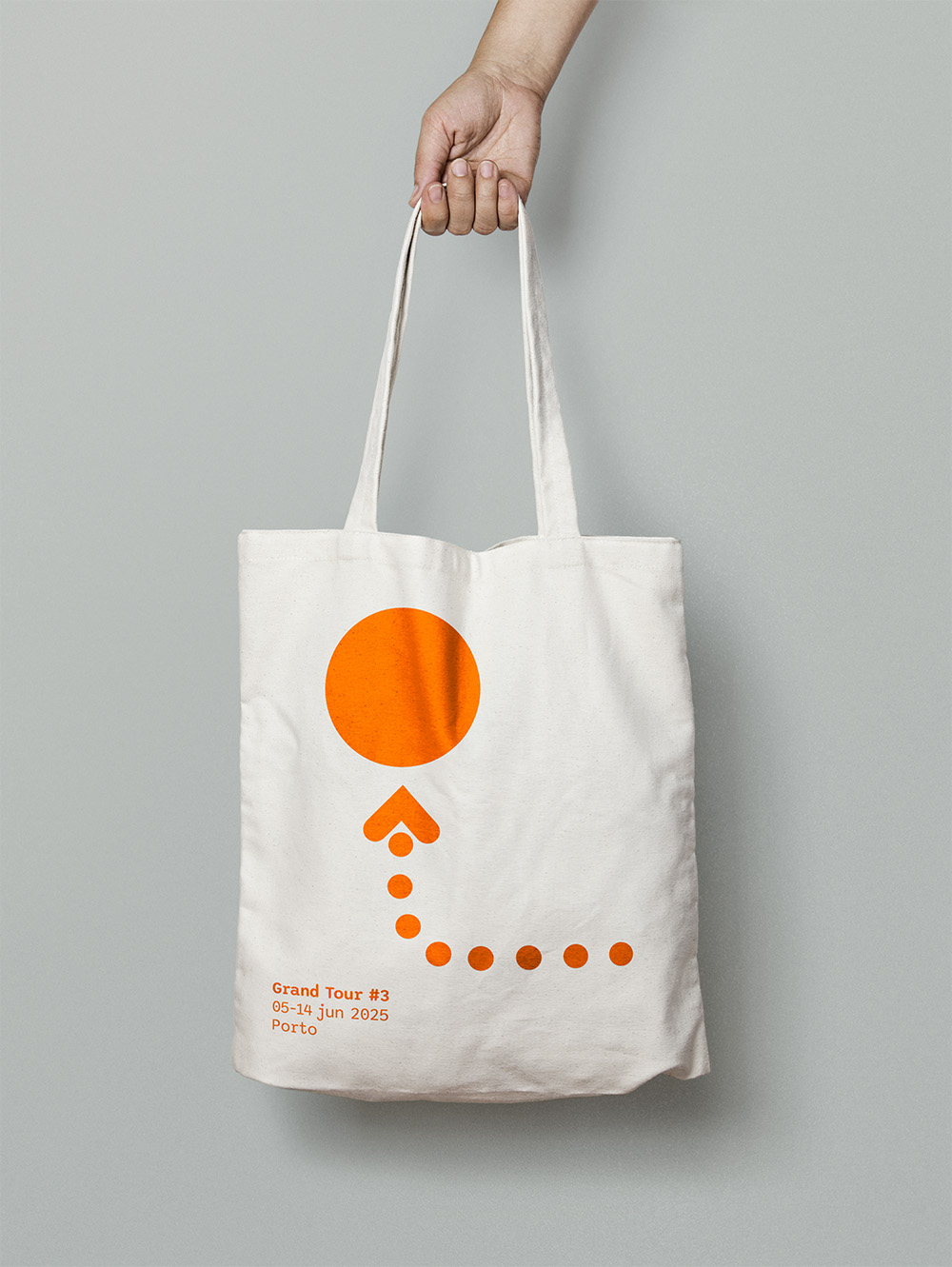
Porto Team worked with the graphic designer Marta Ramos for the conception of the Grand Tour #3 tote bag.
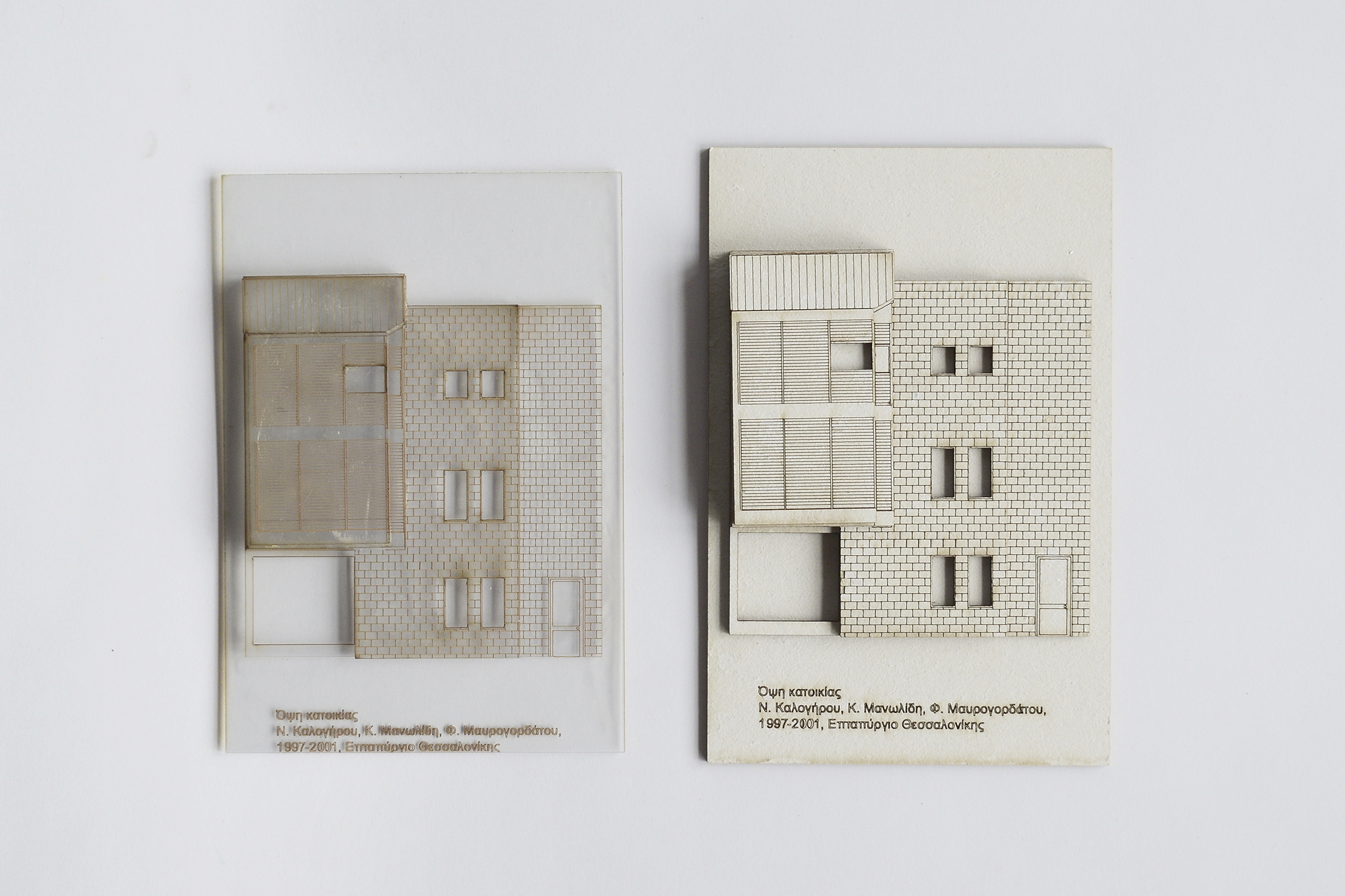
Visual Reinterpretations by architecture student Serafim Simos
Photo by Elissavet Vlahou & Stamatios Vouzikis

Professor Cristina Pallini, leader of the UpGranT project, in collaboration with prof. Aleksa Korolija, has launched an experimental teaching module as part of the Architectural Design Studio course in the Master's program in Architecture and Urban Design at the Politecnico di Milano.
Students will take part in the initial phase of the Architectural Design Studio course, engaging in site visits followed by an interpretative analysis and the development of an interpretative model.
![Vello Asi [man with a camera] in London, 1968. Photo by Tadas Baginskas. Courtesy of Tadas Baginskas.](/images/cardimg/est-criteria.png)
In our selection of Estonian architects-grand tourists we want to give an insight to the four historical periods which have shaped life and culture in the country during the past 120 years: Russian czarist rule, inter-war independence, Soviet power and liberation since 1991.
> Read more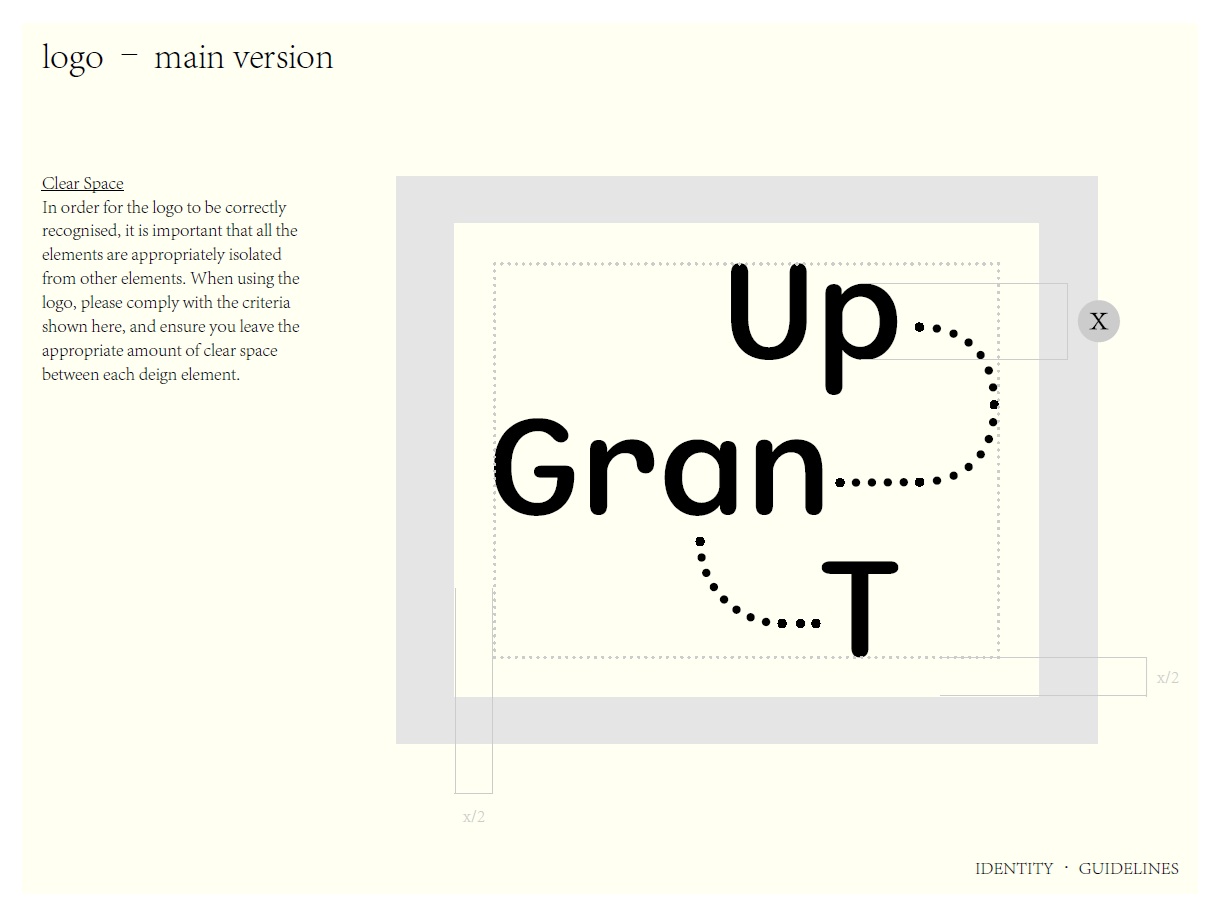
The Porto Team worked with graphic designer Marta Ramos to create the UpGranT visual identity.
The logo (both the main and alternative versions), the colour palette, and the typography of the UpGranT project were presented in its brand guidelines.
Grand Tour #4 – Thessaloniki
In planning of GT4, taking place in Thessaloniki, in June 2026, we asked among ourselves, the following, more or less obvious but crucial, questions:
-How do you plan a four-day architectural Grand Tour in Thessaloniki?
-How do you choose what to include? What is the correct “blend” of places and buildings to be visited?
-How do you combine your selections in different groups and itineraries and how do you allocate them across separate days?
Other complementary issues regarding the what, when, which, whom and who, of such planning were temporarily set aside, as raising the above questions, immediately, led us to more insightful problematizations:
-How can our Grand Tour lead to a rich comprehension and creative interpretation of Thessaloniki?
-How can we “animate” an inspiring itinerary through the different scales and layers of the city’s urban topography?
-How can we augment this time-condensed Grand Tour, so that it leads to an informed perspective on the city’s identity(ies)?
In response to all these questions, we began to discuss how – complementing visits to significant buildings and importantconfigurations of urban space – GT4 will also propose a method of reading Thessaloniki’s physical geography, its historical topography as well as its contemporary urban structure.
We elaborated on how visits to the project’s selected “exemplary buildings” cannot occur independently of their broader context, namely, the historic, economic, social and cultural circumstances, that shaped the conditions for the buildings’ emergence, and within which they can be fully understood.
We continued by discussing how our walking itineraries of Thessaloniki could also propose a method of recognizing and understanding its past, present and (near-)future tensions that compose the city’s contemporary urban experience.
In the end, we decided to devise a coherent plan of strolls, encounters and meetings that we believe can lead to a clarification of the city’s metropolitan fabric, a delineation of its relationship with its physical topography and a comprehension of its multicultural historic physiognomy.
Last but not least, we made the decision to invite three esteemed professors emeriti of our School – two of whom are themselves selected Grand Tourists – to present three seminars: (i) Vilma Hastaoglou will concentrate οn the history of the urban fabric of Thessaloniki; (ii) Nikos Kalogirou will deliberate on the history of the Aristotle University campus; and (iii) Lois Papadopoulos will reflect on the strategy of the urban interventions of the architectural program of “Thessaloniki ’97 - European Capital of Culture”.
Therefore, we proceeded with planning GT4, through the introduction of 4+1 different organizational schemata, for navigating Thessaloniki’s multiplicity. Each of the first four schemata (The University Campus, The Municipal Axis, The Palimpsest, The Promenade) corresponds to a different stroll – one stroll per day. The +1 schema (Metropolitan Events) is to be experienced diagonally, intersecting the four other, either through direct experience, in the case of events taking place concurrently with GT4, or, through histories to be narrated by members of our extended team, in the case of past events.
The 4+1 schemata are as follows:
1. The University Campus | Since its foundation in 1926, immediately adjacent to the historic center of Thessaloniki, the Aristotle University campus has been a major force of modernization. Today, it covers an area of approximately 33 hectares, and hosts more than 85,000 students. The campus, the largest in Greece, contains a series of significant educational buildings and compounds, built during the university’s various developmental waves. Over the past hundred years, it has been a continual site for the application of various forms of modern architecture. For example, the campus’ developmental boom, taking place from the late 40s till the early 70s, has led to the design and construction of a series of exemplary buildings reflecting the principles of the International Style, Monumental Modernism and Brutalism. They include five buildings by the selected Grand Tourist P. Karantinos such as the Faculty of Chemistry, (1947, in collaboration with Α. Loizos Κ. Bitsios), the Faculty of Physics and Mathematics (1955), and the “Polytechnion” Faculty of Engineering (1958, in collaboration with I. Liapis, P. Skroumbelos). Other buildings include the exemplary complex of the Administration Building, the Venue Hall and the Central Library (1961-1971), as well as the buildings for the Faculty of Law and the Faculty of Theology (1962-1974), all of which were designed by architects K. Fines & K. Sp. Papaioannou. One should also highlight the paradigmatic Student Halls of Residence B’ and C’ (1962-1967) designed by architects N. Dessylas, D. Kontargyris, A. Lambakis, P. Loukakis. In the late 1990s and early 2000s new significant buildings of Postmodern and Neomodern principles were constructed in the campus, the most important being the exemplary New Library Building (1991-1995 & 1999), located adjacent to the existing central library, designed by Grand Tourists A. Kotsiopoulos, R. Sakellaridou and Μ. Papanikolaou. In this sense, on might argue that the Aristotle University Campus arguably encompasses a condensed architectural history of modernism in Thessaloniki, allowing it to function as a compact introduction to the city’s 20th and 21st century architecture.
2. The Municipal Axis | Through its gradual formation, the city’s eastern cultural axis, has acquired a metropolitan significance. Starting from the waterfront and the Royal Theatre of Thessaloniki (1938-1940) by selected Grand Tourist C. A. Doxiadis, in collaboration with A. Skepers, it traverses the New City Hall (1987 & 2009 Τ. Biris, D. Biris et al.) the Archaeological Museum (1960) by selected Grand Tourist P. Karantinos, the Museum of Byzantine Culture (1978 & 1989-1993) by selected Grand Tourist K. Krokos, the Thessaloniki International Fair (TIF) site (1926-…), the Museum of Contemporary Art (1992), located within it, ending, after passing through the Aristotle University campus, at the university’s Teloglion Art Foundation (1997-1999) by K. Lambrou, N. Marda, K. Moraitis and E. Konstantakou. The axis crosses a series of exemplary 20th century buildings that showcase different strands of modern architecture in Thessaloniki: Modernism, International Style, Classical Modernism, Brutalism, Critical Regionalism, Postmodernism and Neomodernism. The TIF site, since its foundation in 1926, in a location adjacent to the university campus, has been a site of continuous architectural experimentation. At least 15 exemplary buildings, included in the historical canon of Greek modern architecture – but now demolished – were constructed as exhibition pavilions, demonstrating that the exhibition grounds have operated as a testing ground par excellence for modern architecture. These buildings include pavilions designed by Grand Tourists C. A. Doxiadis (1939-1940) and D. A. Fatouros (1961). Other exemplary pavilions, designed between the mid 1950s and late 60s, as well as the Hellenic Telecommunications Organization (OTE) Tower (1969), and the Palais des Sports (1960-1966) have undergone changes, transformations and restorations, with only few of them remaining more or less intact. In recent years the TIF site has been the focus of a controversial debate regarding its future development which will make for an interesting discussion during our GT4 itinerary.
3. The Palimpsest | The Palimpsest consists of: the listed traditional settlement of the Upper City quarter; the city’s twopedestrianized Historical Axes, that is the metropolitan boulevard of Aristotelous Street and its parallel axis of Gounari Street; and the diagonal axis of Pavlou Mela Street. In the Upper City quarter, GT4 will take in a series of significant residential buildings, including the ones by selected Grand Tourists D. A. Fatouros (1989), N. Kalogirou (1987 & 2000) and A. Kotsiopoulos (1998). In various ways, these residential buildings successfully combine the principles of modern architecture with local vernacular elements, as prescribed in the building requirements for this listed area. The quarter also includes the important “corbusian” building for ecclesiastical studies (1966-1969) by the architect N. Moutsopoulos, as well as certain open terraces, such as that of the “Trigoniou Tower”, which offers panoramic views of the city. The two pedestrianized Historical Axes combine an anthology of fatti-urbani, historic monuments, public buildings, markets, and urban open spaces, exemplifying the city’s historic urban fabric, its multi-cultural mosaic and its diachronic urbanity, from its ancient past to its contemporary present. More specifically, the eastern archaeological axis of Gounari Street joins the Roman “Rotunda” with the Arch of Galerius and the Galerius Palace complex, ending at the Old Waterfront through its newly designed pedestrian extension. The central archaeological axis of Aristotelous Street, which also functions as a metropolitan boulevard, epitomizes the city’s urban plan, as designed by E. Hébrard, after the Great Fire of 1917. At its highest point, it starts from Agios Demetrios Church, with the adjacent Yeni Hamam baths and the near by Alaca Imaret Mosque. Then it crosses the archaeological site of the Roman Forum, to reach Upper Aristoteles Square with the Bey Hamam baths at its side. Moving across Egnatia Street it can be combined with a detour to the close-by Bedesten Market, and the newly excavated Decumanus Maximus –Thessaloniki’s principal Roman street – which can be visited inside the new Venizelou metro station. Thenceforth, strolling towards the sea, along the homogeneous facades of the boulevard, it reaches Aristotelous Square, the city’s main public square facing Mount Olympus across the sea. Between these two main archaeological axes, lies Pavlou Mela Street, the city’s major diagonal axis, with its significant Bauhaus-style old Ilyssia cinema (1930) by architect L. Zoidis and various examples of “Polykatoikia” (apartment block) adhering to Eclecticist, Art-Deco and early Modern principles. Thessaloniki’s diagonal axis leads from the White Tower all the way up to the Agia Sophia Church and its adjacent three school complexes: two (1931 & 1933) by the selected Grand Tourist N. Mitsakis and one (1936) by the very significant architect D. Pikionis. Between these two archaeological axes are the old Athonos and Vatikioti markets,followed by the equally important old Vlali and Kapani markets on the other side of Aristotelous Street, as well as the Old Central City Market (1924) designed by the architect E. Modiano.
4. The Promenade | The Promenade starts from the Thessaloniki Port’s First Pier, that was “given back” to the city, expanding its central metropolitan area, during the hosting of the European Capital of Culture (1997). It has become a dense culture hub, with its redesigned warehouses hosting three museums (of cinema, photography and experimental art), four cinema halls, exhibition and venue spaces and a new public urban space by the sea that provided new perspectives of the city. It also contains the significant terminal and Customs Building (1911) designed by Al. Vallaury and the Greek Red Cross early modern building (1929). After a brief detour through the port’s adjacent historic commercial areas of Ladadika and Frangon (the French and Italian quarters), and the city’s Jewish Museum, the stroll crosses through the historically significant Eleftherias Square, to return to the Old Waterfront. The promenade continues along the sea offering privileged views on an array of more than 20 paradigmatic examples of Polykatoikia designed over the last century. This first part of the promenade ends at the White Tower Square, immediately after encountering the significant modern building of Thessaloniki Officers Club (1951-1958) by architect P. Mylonas located across the street. The second part of the promenade starts at the “Royal Theatre of Thessaloniki” (see second day of GT4). From there, the promenade continues along Thessaloniki’s redesigned New Waterfront (originally constructed as a city extension in 1953), which was redesigned by architects P. Nikiforidis and B. Cuomo in 2001 and constructed from 2006 to 2014. By forming a linear coastal network of public spaces, the redesigned New Waterfront enriches the metropolitan character of the city by renewing its relationship with the sea. Walking along the series of thematic gardens, one also encounters the Makedonia Palace Hotel (1962-1971) by selected Grand Tourist C. A. Doxiadis and a second array of important examples of Polykatoikia built since the 1960s . Small detours from the promenade lead to the significant French Institute building (1972) designed by architect D. Molfessis, the Rationalist Italian Umberto School (1933) by architects M. Paniconi and G. Pediconi and the two Italian Tobacco Monopoly buildings (1958), as well as a series of important eclecticist mansions built at the turn of the 20th century. The Promenade ends at Thessaloniki’s Concert Hall, with its two buildings: the first initially designed by architects P. Tzonos, G. Hoipel and X. Skarpia-Hoipel which was constructed in 2000 under the supervision of a different design team, and the second (2004-2005 & 2010)designed by architects Araamta Isozaki & Associates, and Schema 4 Architects. From then on, GT4 embarks on a public transport water bus to experience the city’s total view from the sea.
+1. Metropolitan Events | These involve recurring events that have shaped and continue to reshape the present character of the city, the most important being: (i) the annual Thessaloniki International Film Festival, which is preparing its 66th edition; (ii) the International Documentary Festival, which is working on its 29th edition; (iii) the 9th edition of the Thessaloniki Biennale of Contemporary Art, which GT4 will visit, since it runs concurrently with it; and (iv) the annual Reworks Music Festival which is approaching its 22nd edition. They also include one-off major events that took place in the past and became catalysts for rethinking the city: (i) the 2nd Biennale of Young Artists from Mediterranean Europe (1986), and (ii) the hosting of the European Capital of Culture (1997). Of course, none of these Metropolitan Events could have taken shape without the energy of numerous smaller-scale, bottom-up, and independent art initiatives, a long-standing tradition in the city. The euphoric venues of these metropolitan events, with their ephemeral architectures, their eccentric installations, their critical – even radical – re-appropriation of the city’s cultural and other infrastructures, and their iconoclastic use of its historic monuments, have all played a crucial role as critical mechanisms for reimagining the city. In this sense, the hosting of Metropolitan Events is critically important, provided that they operate as originators of innovative ideas, as generators of the city’s new exemplary spaces, and as platforms where the new urban symbolisms and the new meanings of buildings and city areas are set into motion.
Last Note:
In the planning of GT4, 4+1 organizational schemata delineated above – the Campus, the Municipal Axis, the Palimpsest, the Promenade, + the Metropolitan Events – are useful only insofar as they function as components of a diagram, highlighting and hopefully clarifying the crucial constituents of Thessaloniki’s urban fabric. It goes without saying that other, alternative readings of the city exist that are equally valid to those proposed here. Nevertheless, we believe that our conception of GT4 offers an effective, even fruitful, method for recognizing and understanding the undivided metropolitan experience of Thessaloniki.
BIBLIOGRAPHY
Filippidis D. (1984) – Νεοελληνική Αρχιτεκτονική [Modern Green Architecture]. Melissa, Athens
Giacumacatos Α. (2004) – Ιστορία της Ελληνικής Αρχιτεκτονικής – 20ος Αιώνας [History of Greek Architecture –20th Century]. Nefeli, Athens.
Κalogirou Ν. (2017) Η Πανεπιστημιούπολη του ΑΠΘ [The Campus of the Aristotle University of Thessaloniki]. University Studio Press, Thessaloniki.
Kolonas V. (2016) – Θεσσαλονίκη 1912-2012 – Η Αρχιτεκτονική μίaς Εκατονταετίας [The Architecture of a Century]. University Studio Press, Thessaloniki.
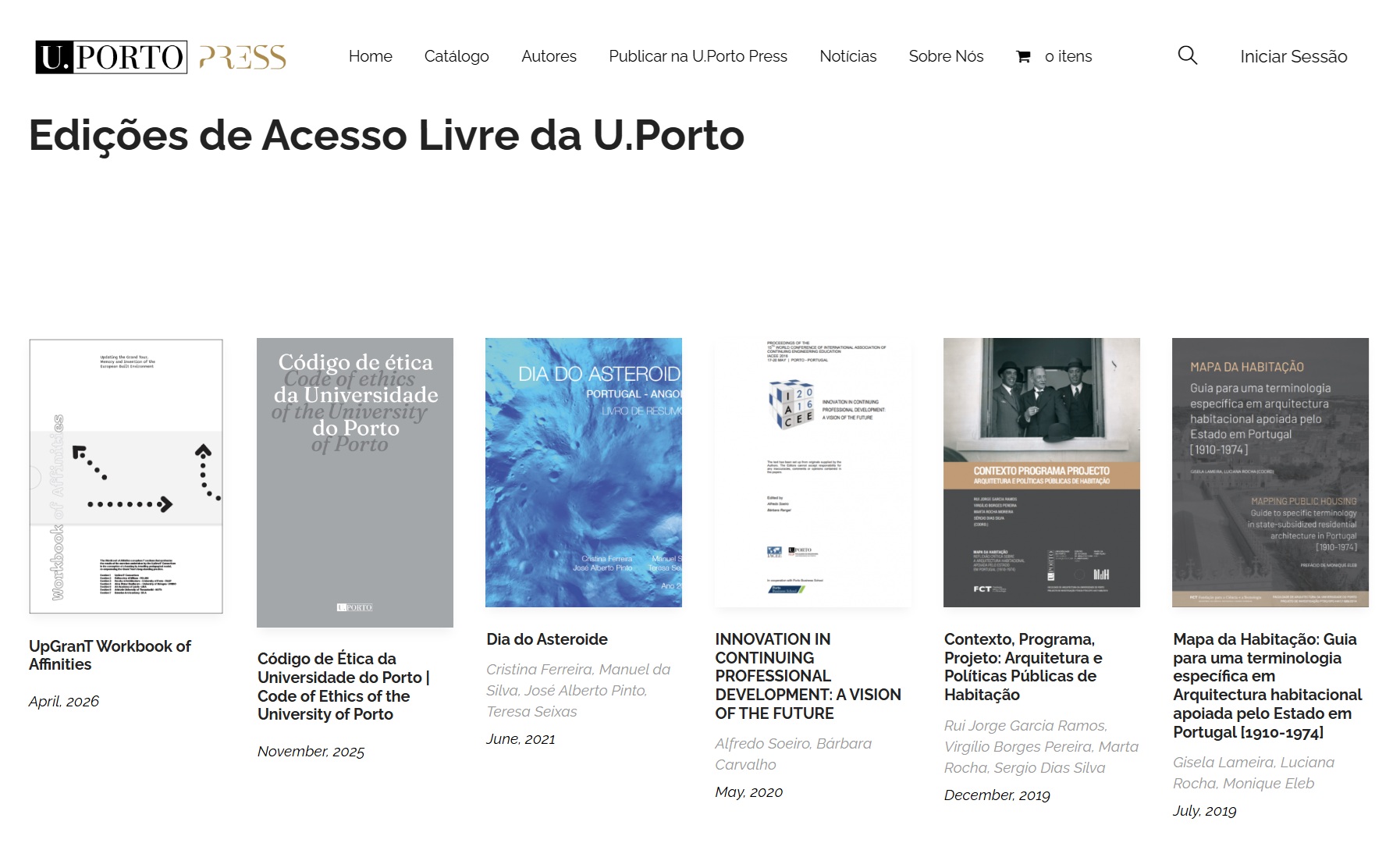
Since May 15th, 2026, and just before Grand Tour #4, the "UpGranT Workbook of Affinities" has been published and integrated into the Open Access Editions of U. Porto Press.
https://www.up.pt/press/books/upgrant-workbook-of-affinities
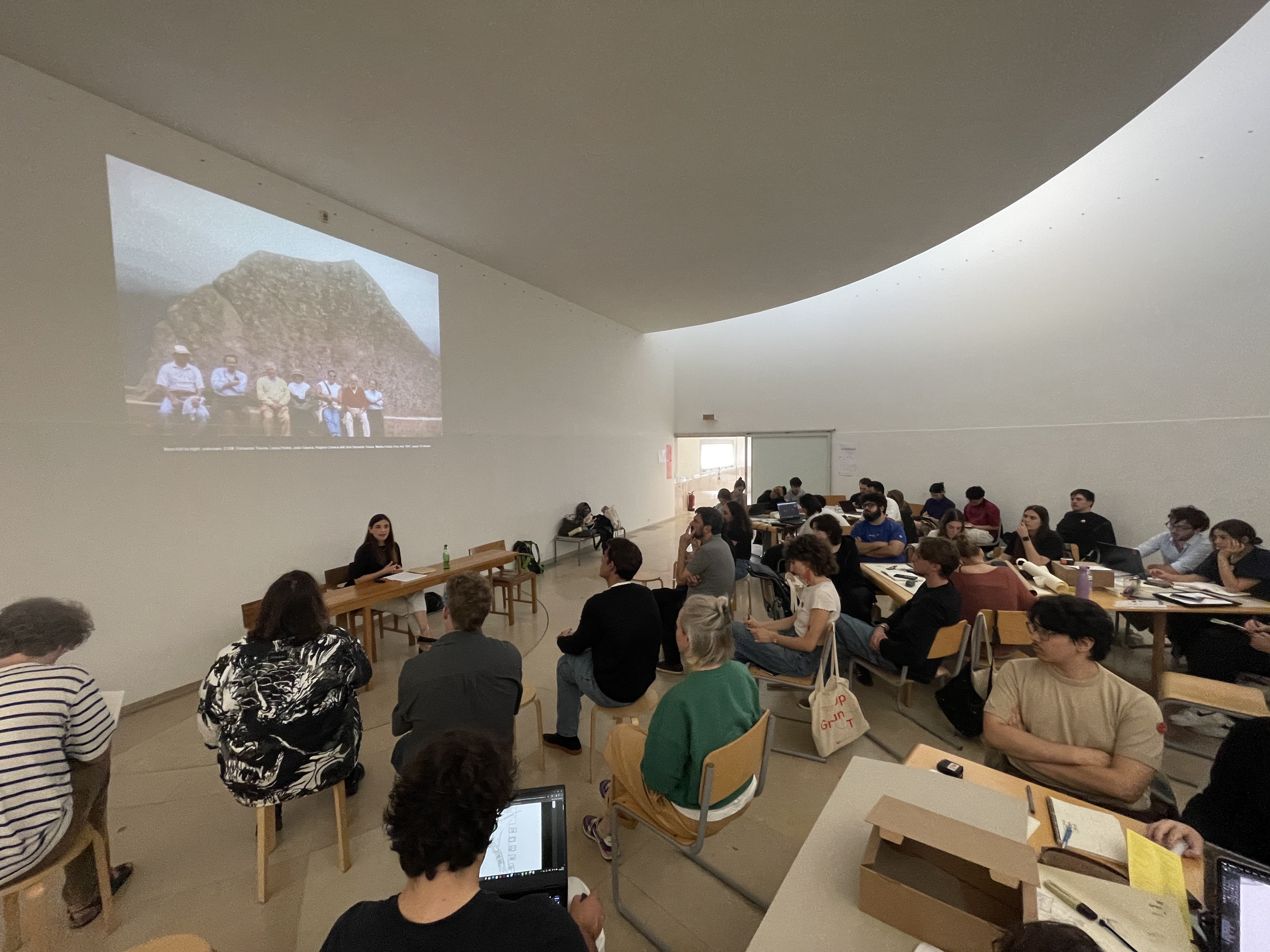
On June 12, 2025, Luísa Moura participated in the Open Seminar held during the IPL with the open talk "Travelling with the Grand Tourist Eduardo Souto de Moura".
Luísa Moura is the eldest daughter of Eduardo Souto de Moura. She is an architect, teacher and Ph.D. student, researching on the theme "Architecture after Architect: matter, time and life. Revisiting Eduardo Souto de Moura’s first houses", where the architects travels are a main conductor.
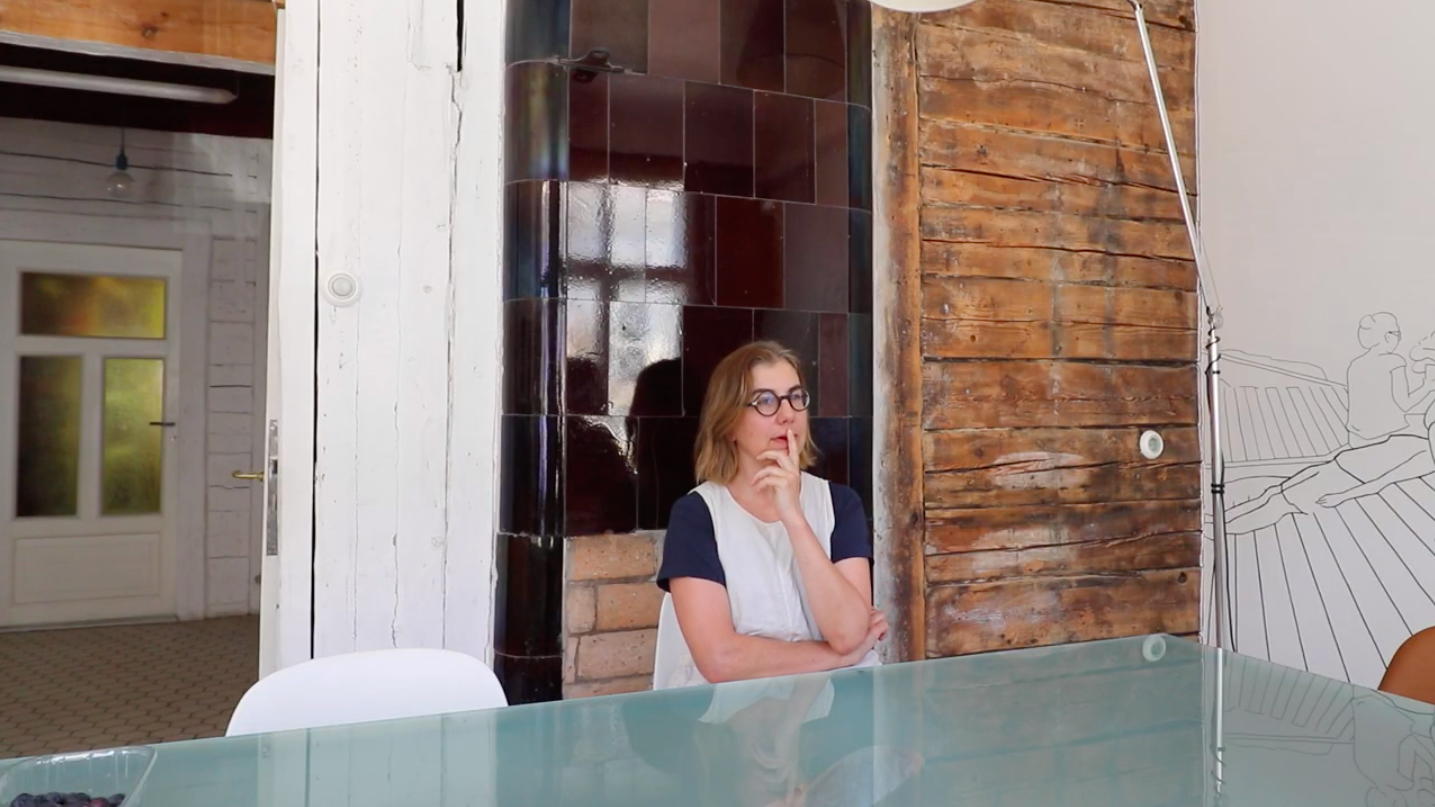
Researchers Gregor Taul and Merilin Tee interviewed architect Siiri Vallner at her office Kavakava in Kalamaja, Tallinn. The office is located in an early 20th century wooden building in one of Tallinn's oldest neighbourhoods. While Kalamaja was considered a somewhat run-down and even dangerous neighbourhood a decade ago, in recent years it has become one of Tallinn's most hip residential areas. The neighbourhood’s main street, the Vana Kalamaja Street, was reconstructed by Kavakava architects in 2023 and awarded with the Annual Award of the Cultural Endowment of Estonia in Architecture 2024 and also the Annual Award of the Estonian Association of Landscape Architects 2024.
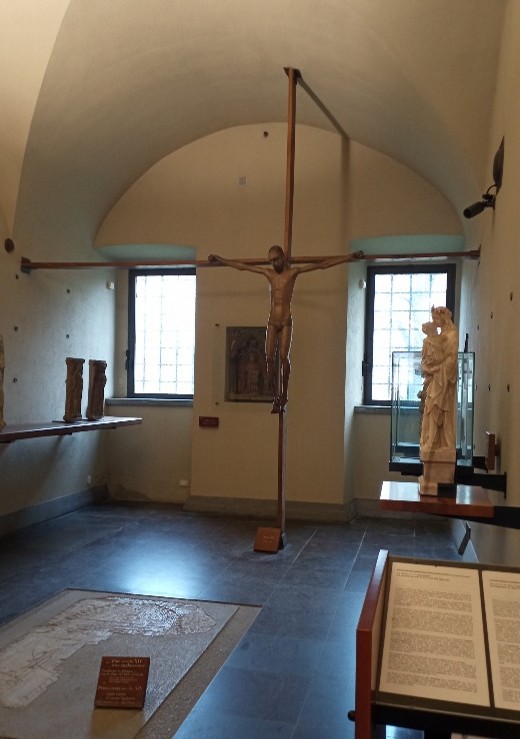
The Italian Journey was one of the career-defining travels for Porto’s Grand Tourists Alcino Soutinho and João Álvaro Rocha, from distinct generations.
Porto Team revisited the architects’ reports on their travels to Italy in 1961 and 1985 through the archives of Fundação Instituto Marques da Silva and APJAR – Associação Pró-Arquitetura, UpGranT Institutional Partners. The archives include travel sketches, notes, postcards, photographs, and João Álvaro Rocha’s travel itinerary.

Estonian Academy of Arts Interior Architecture MA students continued to analyse the Pärnu KEK Golden Home building during their creative studio supervised by architect Pavle Stamenović from Belgrade. Each student chose one physical or conceptual detail from the building and developed it into a spatial interpretation.
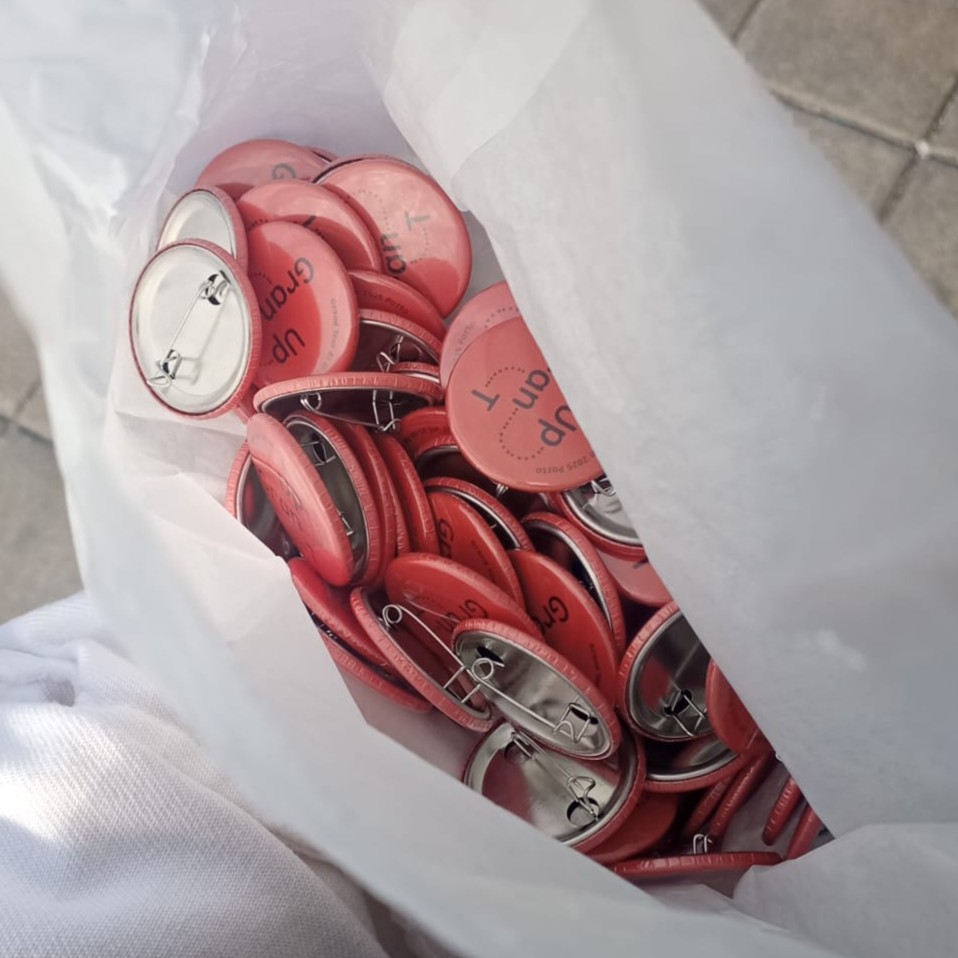
Porto Team worked with the graphic designer Marta Ramos for the conception of the Grand Tour #3 identification pin.

The final Grand Tour brings us to Thessaloniki. From June 5th to 8th, the team of the Aristotle University of Thessaloniki will guide us through an inspiring itinerary exploring the multiple scales and layers of the city’s urban topography. The tour will conclude with the official opening of the exhibition showcasing the work developed throughout the research.
> Read more
Gregor Taul and Merilin Tee visited the archives of Pärnu City Government to see the original drawings of Pärnu KEK's Golden Home building. After the visit to the archives, we visited the terraced building together with the house manager and got acquainted with one of the larger atrium apartments on the first floor.

As part of the Estonian Academy of Arts 2024/2025 spring semester Interior Architecture Master’s Studio II class, students visited Erika Nõva’s home. During the course, students will work with the theme of proposing a renovation project for a historical building, keeping in mind the obligation to preserve valuable interior and exterior details.

During a visit to the Estonian Museum of Architecture, researchers Gregor Taul and Merilin Tee examined photos by architects Mart Port and Raine Karp in the museum's photography collection. The collection consists of around 30,000 items, the most extensive part of which are the photos from the Soviet period. The slide show on Raine Karp's travels included, among other images, his trips to Socialist Federal Republic of Yugoslavia (1966), Japan (1969), USA (1973) and Seoul (1996).

As part of the Estonian Academy of Arts 2024/2025 autumn semester Interior Architecture MA programme Spatial Semiotics class, students had an opportunity to visit Vello Asi’s house. The visit was part of a day-long urban walk in the suburbs of Mähe and Merivälja which boasts some of the most interesting private houses in Tallinn from the mid- and late-20th century.

Between June 12 and 14, 2024, taking the opportunity of Grand Tour # 2, the Porto Team reproduced part of the Alvar Aalto Route that Fernando Távora and Álvaro Siza took together in 1995 through Finland and Russia.
This itinerary, in Fernando Tavora's handwriting and kept in Álvaro Siza's Archive, is part of the current exhibition "C.A.S.A. Collection, Álvaro Siza Archive" and was celebrated during a guided tour on June 25th, Álvaro Siza's birthday.
From this itinerary, the Porto Team focused on Helsinki and its surroundings, visiting all the Alvar Aalto works studied in loco by Siza and Távora, thinking about possible affinities and contaminations.
Organization: UpGranT - Porto Team (Helder Casal Ribeiro and Sílvia Ramos)

Prof. Tommaso Brighenti, led the students from Design Studio 1 of the Architectural Design Programme at Politecnico di Milano on a Milanese tour, following the path of UpGranT GT1, which was organised by the research team.

Students participating in UpGranT internship activities visited the Piero Bottoni Archive at Politecnico di Milano.
Piero Bottoni is one of the 10 selected architects from the Milanese school who used travel as a tool for knowledge and education.
The students consulted materials related to the architect's trips to Greece, Germany, Holland, Japan, and Poland, with the support of archival staft. The Piero Bottoni Archives is a partner in the UpGrant research.
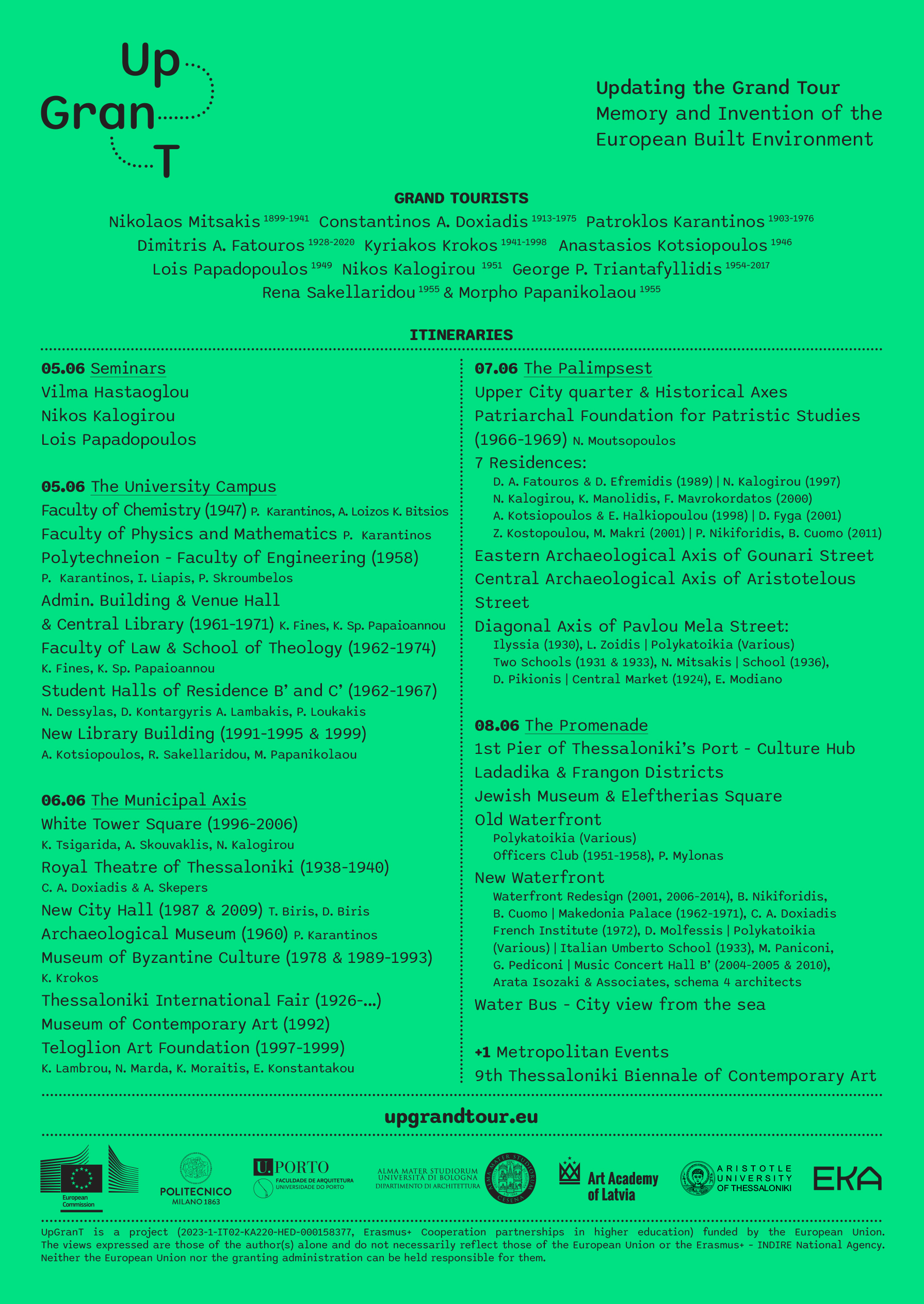
Grand Tour 4 #Thessaloniki Itinerary

Seminar by Vassiliki-Maria Plavou in the context of “grand tourismo” workshop.
School of Architecture, at Aristotle University of Thessaloniki. The presentation concentrated on graphic design.

During the Soviet period, architects in Latvia had a rather limited access to information on architecture abroad. They could make an official request to the state library through the so-called architectural design institutes where they were employed as architects. Upon such a request, they could take out architecture magazines to which the library was subscribed and bring them to their institutes for studying for a limited period of time. A common practice was copying the most interesting projects or details on a tracing paper in order to keep them as a reference. Considered the most obvious low-tech solution for obtaining a copy, this must have been a productive learning practice as well.

As part of the Estonian Academy of Arts Interior Architecture MA programme students participated in the course Presentation Methods during which they focused on the Kuldne Kodu terraced building designed by architect Toomas Rein. At the beginning of the course, the students lived in the building for four days with their tutors (Viktoria Ugur, Triin Kampus), getting to know the house and its residents by visiting various apartments. As the course progressed, each student chose a specific apartment, design element or design principle from the building and developed them into architectural drawings and produced a conceptual model of the chosen topic. Students presented their final projects during an open session for both faculty members and other students.
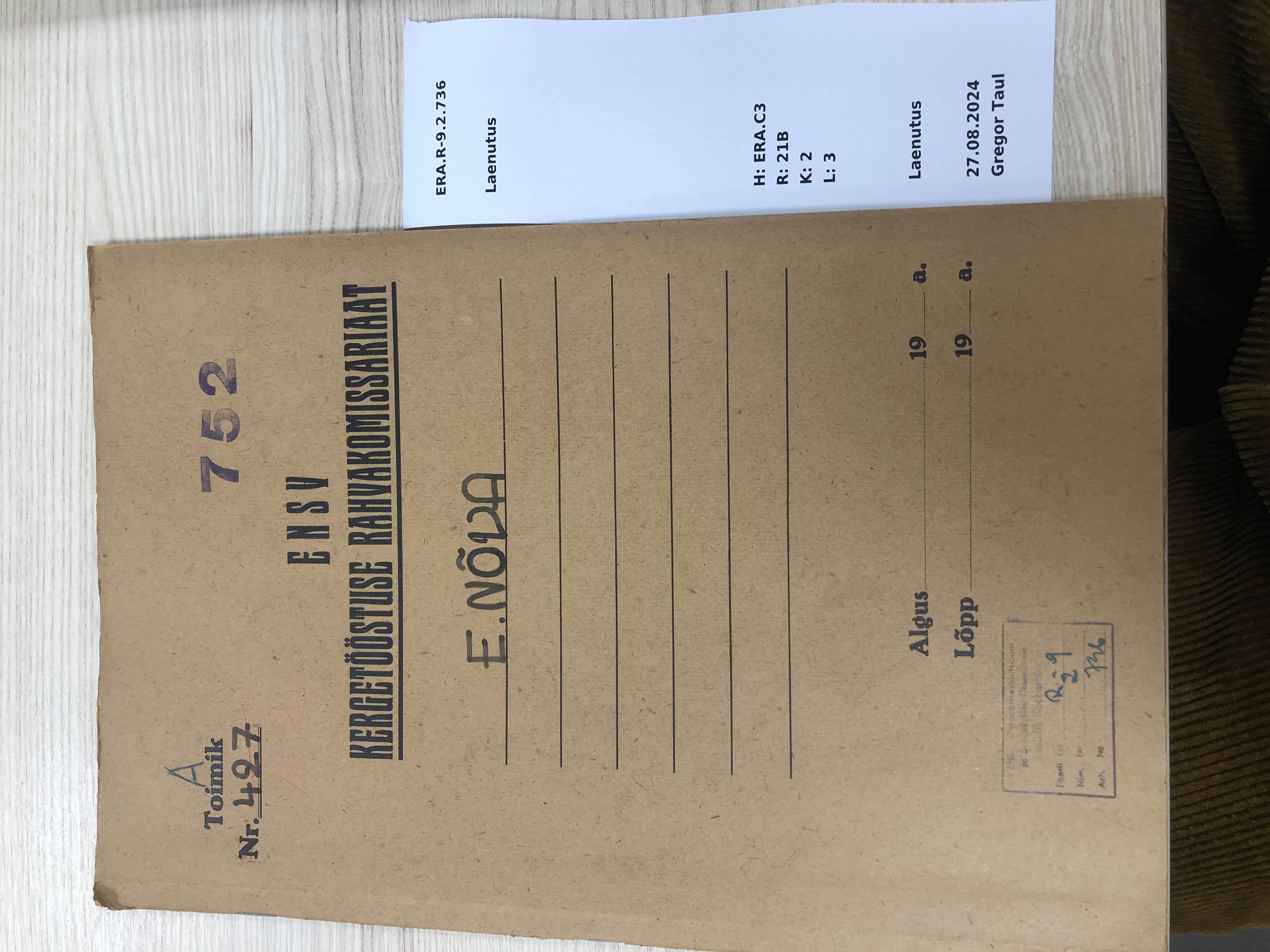
The National Archives is the centre of Estonian archiving, with units in Tallinn, Tartu, Rakvere and Valga. The main task of the National Archives is to ensure the preservation of society's written memory and its usability for present and future generations. The main building of the National Archives is located in Tartu in a building designed by Sander Aas and Illimar Truverk. The National Archives preserves, among other things, the documents of Soviet-era design bureaus, together with working cards of individual architects, which provide an overview of the buildings they designed as well as their travels abroad. During this visit, researcher Gregor Taul examined the documents of architects Herbert Johanson, Erika Nõva, Mart Port, Vello Asi, Raine Karp and Vilen Künnapu.

AUTh team interviews Grand Tourist M. Papanikolaou on her extensive architectural travels and how this extrovert outlook informed her practice and teaching.

On several occasions, the AUTh team visits the Nikolaos Mitsakis archive holdings at the Modern Greek Architecture Archives at Benaki Museum. The fully recorded archive includes extensive material of the architect’s architectural production during his short life.

The AUTh team visits the Grand Tourist G. P. Triantafyllides office seeking archival material. We are impressed by the wide collection of foreign architectural magazines as well as a rich collection of international Books and relevant literature on architecture. As we are told, every summer he filled his car trunk with all issues and books that he collected during the year and he travelled to the island of Kythera, where he devoted a significant amount of his vacation time in order to study them extensively.

“No drawing gives me as much pleasure as these: travel drawings”
On July 7, taking the opportunity of a full day work session in the Institutional Partner Calouste Gulbenkian Foundation to collect archival documentation on the Exemplary Building Santa Maria Church and Parish Center, Porto Team visited the exhibition “SIZA” in the museum and galleries.
The exhibition dedicates a section to Porto’s Grand Tourist travel drawings and a station to his scholar travels to Paris and Helsinki (in which the architect met Álvaro Aalto), supported by Gulbenkian grants.
At a certain point of these drawn and oral testimonies, Álvaro Siza states: “travelling is a fundamental learning experience”.

Works on seven of the ten Porto’s Grand Tourists (Fernando Távora, Álvaro Siza, Alcino Soutinho, Eduardo Souto de Moura, João Álvaro Rocha, Cristina Guedes e Francisco Vieira de Campos, Nuno Brandão Costa) are in exhibition until September 2025 in Casa da Arquitetura - Portuguese Center for Architecture, one of UpGranT’s Partner Institutions.
Porto Team visited the exhibition, while preparing the programme of GT#3, that will bring all UpGranT Partner Organizations to Porto, in June 2025.
Exhibition “O que faz falta: 50 years of Portuguese architecture in democracy”, Casa da Arquitetura – Portuguese Center for Architecture, 26.10-2024-07.09.2025

Scans from Modris Ģelzis’s personal archive contains 394 drawings, digitised for the first time as part of the Updating the Grand Tour project and now housed at the Latvian Museum of Architecture in Riga. The documents reveal his idiosyncratic combinations and keen interest in furniture, interiors and housing design, with clear influences from Scandinavian architects such as Jorn Utzon, Arne Jacobsen and Alvar Aalto, and references to his own summerhouse in Saulkrasti.

It contains some testimonies on the official trips abroad. In the Soviet Union, travel for architects was considered part of the so-called qualification raising measures. The organisation of trips to local destinations was the responsibility of the local unions of architects, whereas all travel abroad was exclusively managed from Moscow, with the local unions tasked with providing the allocated number of participants.

On this visit to the Estonian Museum of Architecture, researchers Gregor Taul and Merilin Tee examined drawings by architects Toomas Rein and Vilen Künnapu from the museum's collection. During the Grand Tour to Latvia and Estonia in June 2024, participants of the project UpGranT - Updating the Grand Tour. Memory and Invention of the European Built Environment stayed overnight in the sanatorium – the drawing of which can be seen on the photo.

At the beginning of April, researchers Gregor Taul and Merilin Tee, together with lecturers Malle Jürgenson and Hans Alla and students of Cultural Heritage and Conservation at the Estonian Academy of Arts, visited the home of architect Erika Nõva (1937-1938) at Kadaka pst 120 in Tallinn. The house was introduced to us by Erika Nõva's granddaughter Siiri Nõva.

On September 6, 2024, a conversation occurred in the idea of “learning by travelling” with the youngest Porto’s Grand Tourists Nuno Melo Sousa.
Porto Team took the opportunity of the conversation in Nuno Melo Sousa’s office to explore one of his most recent works – Corcet Warehouse.
Porto Team thanks architect Nuno Melo Sousa for the for the real-time reflections on “learning by travelling” and supporting UpGranT.
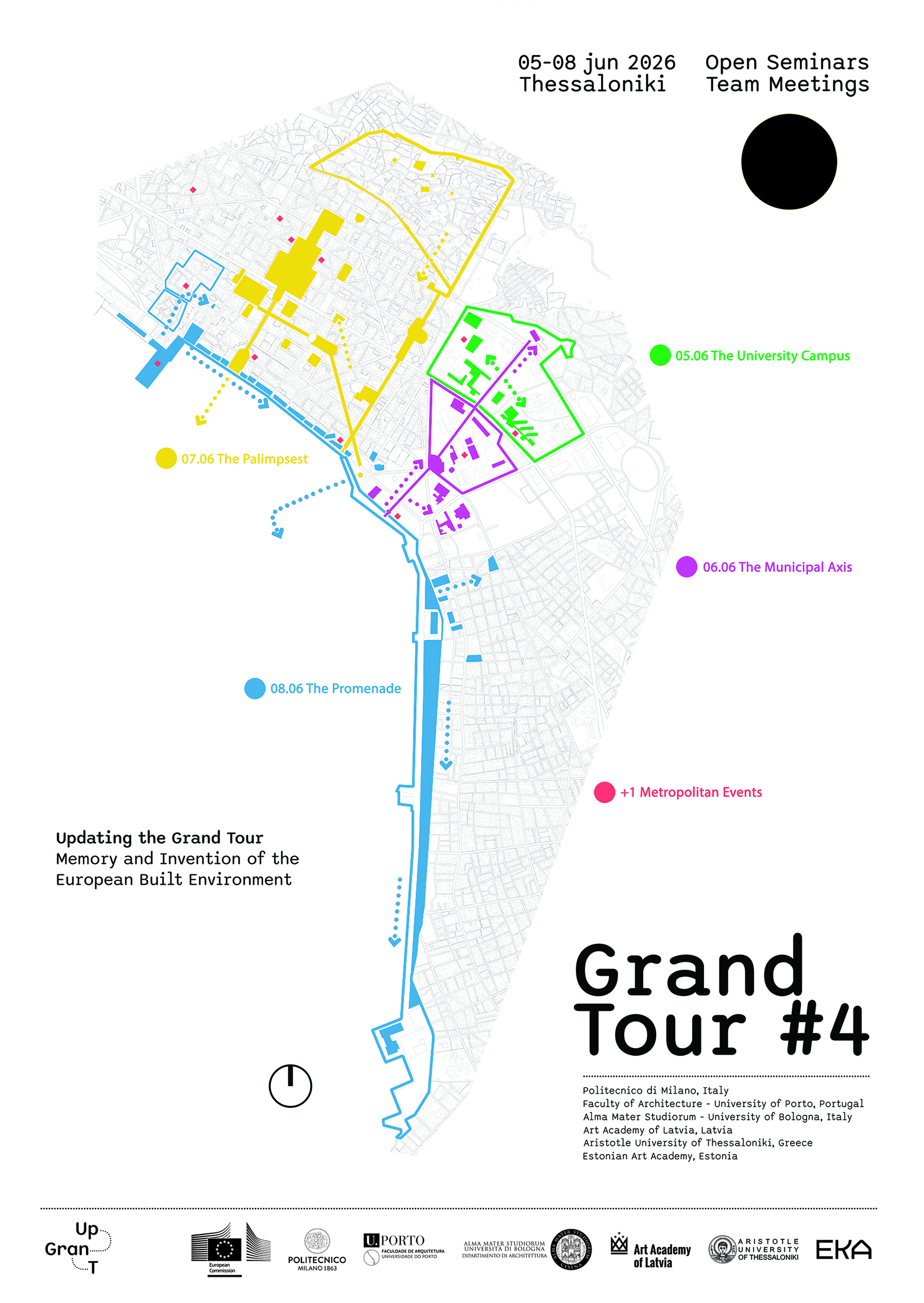
Grand Tour 4 #Thessaloniki Map

The AUTh team visits the Constantinos A. Doxiadis Archives at Benaki Museum. The impressive and extensive archive holds all Grand Tourist’s C. A. Doxiadis’ works.
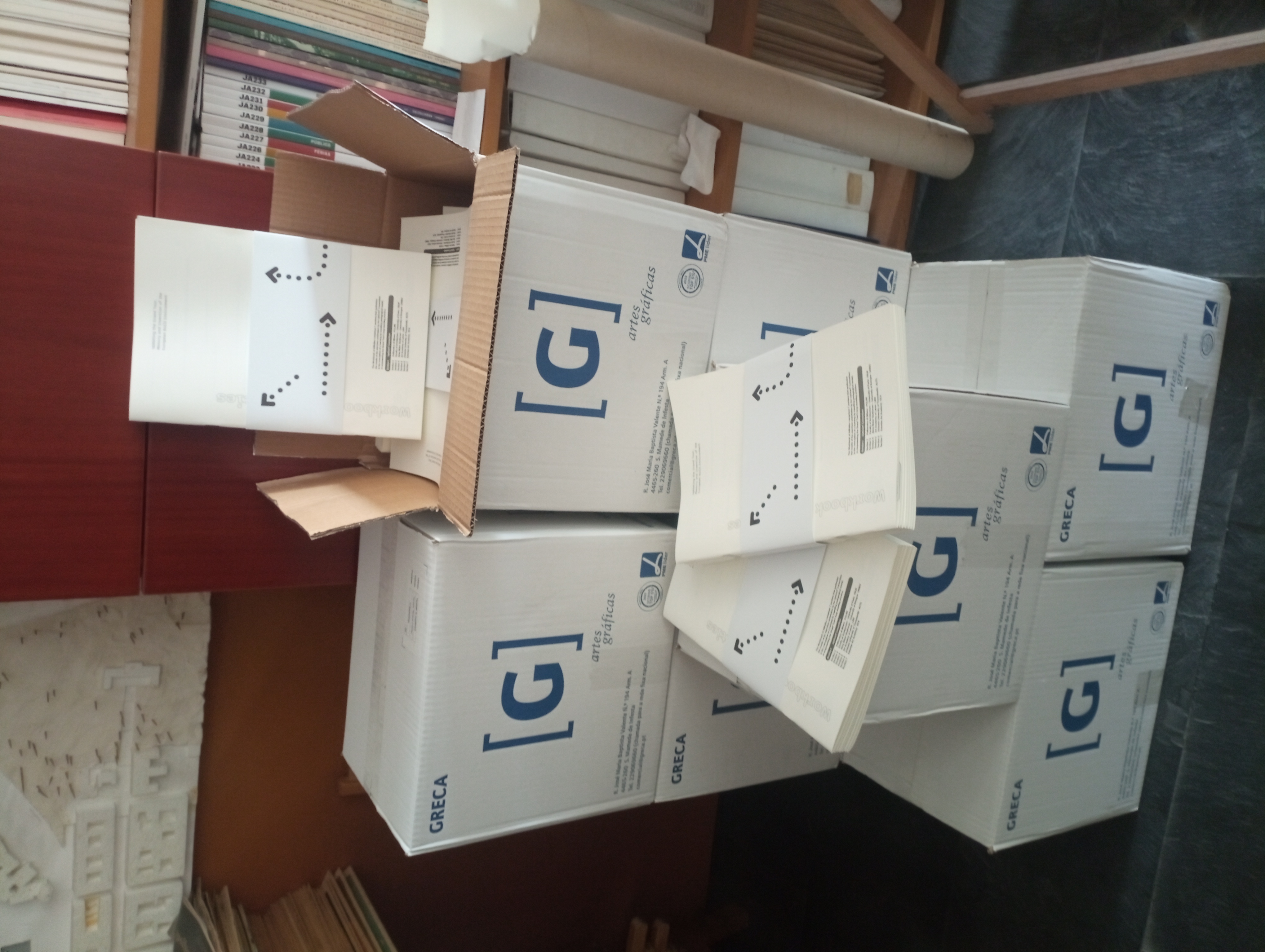
250 printed copies of the UpGranT Workbook of Affinites, published by U.Porto Press, distributed uniformly between partners, travelled from Porto to Milan, Bologna, Riga, Tallinn, and Thessaloniki.
The book, which summarizes the main outcomes of the project, will be made available across the libraries of the participating educational institutions and their respective associated partners.
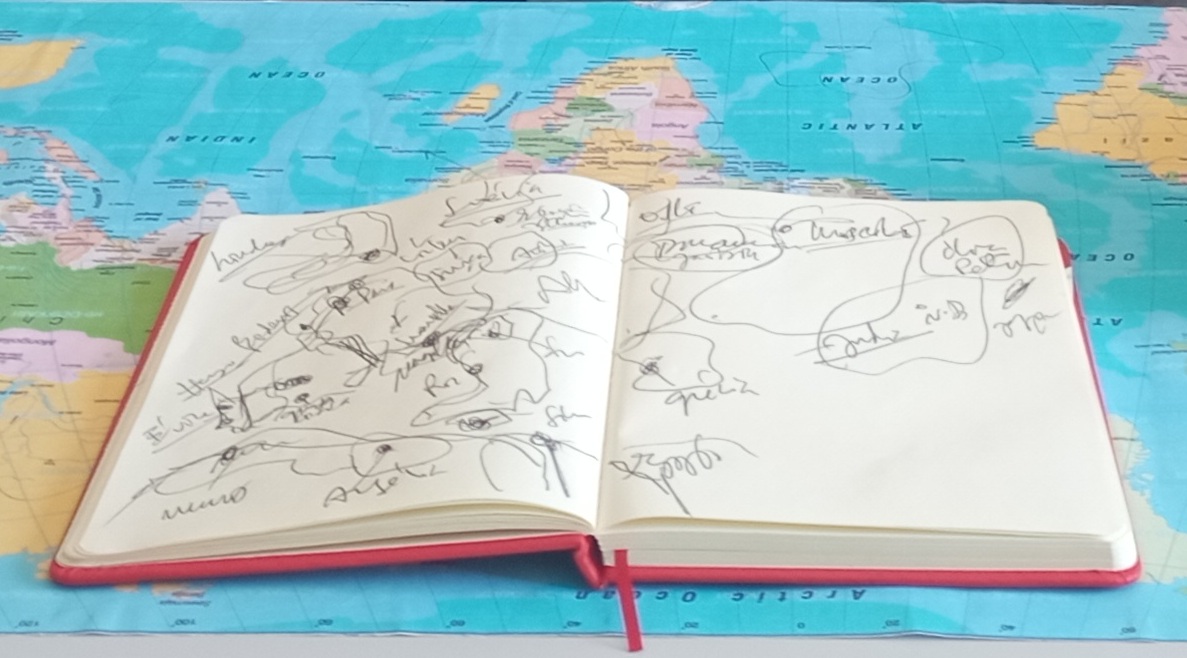
In the 31st week of 2024, at approximately the same hour and in the same place, the Aleixo Studio Office building, two independent conversations occurred in the idea of “learning by travelling” with each of Porto’s Grand Tourists Pritzker Prize laureates.
Porto Team thanks architect Álvaro Siza and architect Eduardo Souto de Moura for the refreshing and enriching real-time reflections on the subject and for supporting UpGranT.
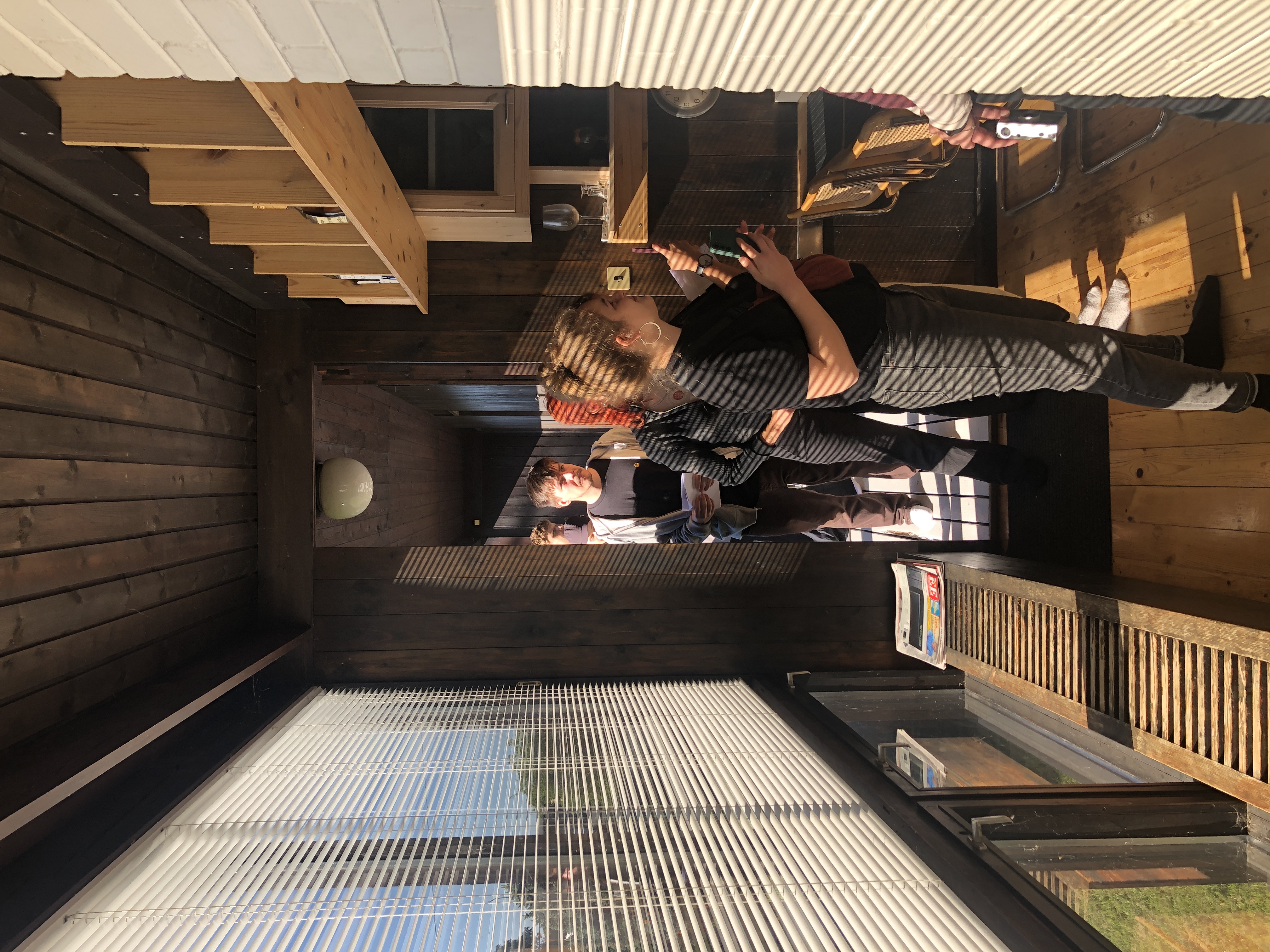
As part of the Estonian Academy of Arts 2024/2025 autumn semester Interior Architecture MA programme Spatial Semiotics class, students had an opportunity to visit Raine Karp’s house. One of the most celebrated architects’ of the Soviet period, Karp still lives in the building and was happy to show around and answer their questions. The visit was part of a day-long urban walk in the suburbs of Mähe and Merivälja which boasts some of the most interesting private houses in Tallinn from the mid- and late-20th century.
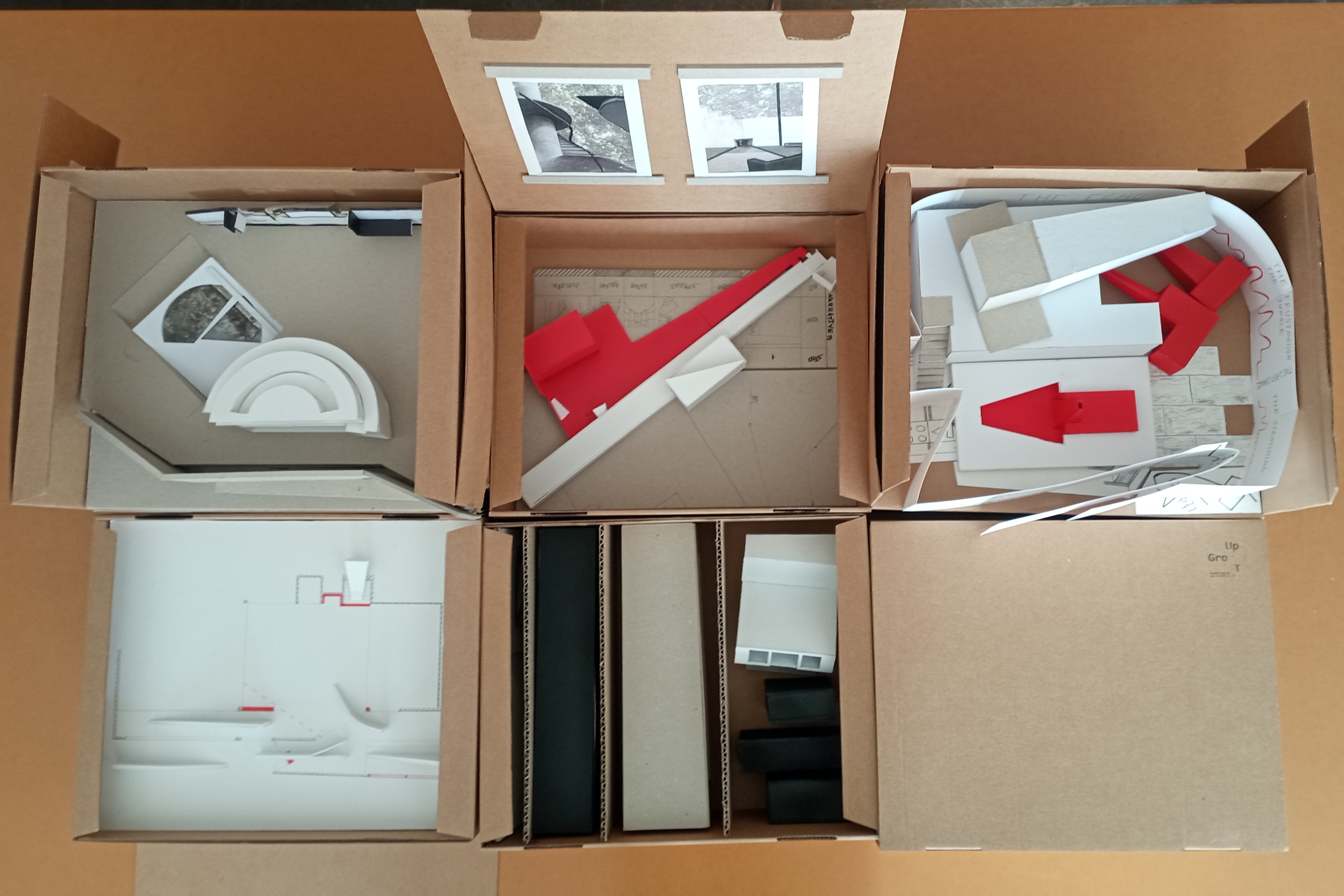
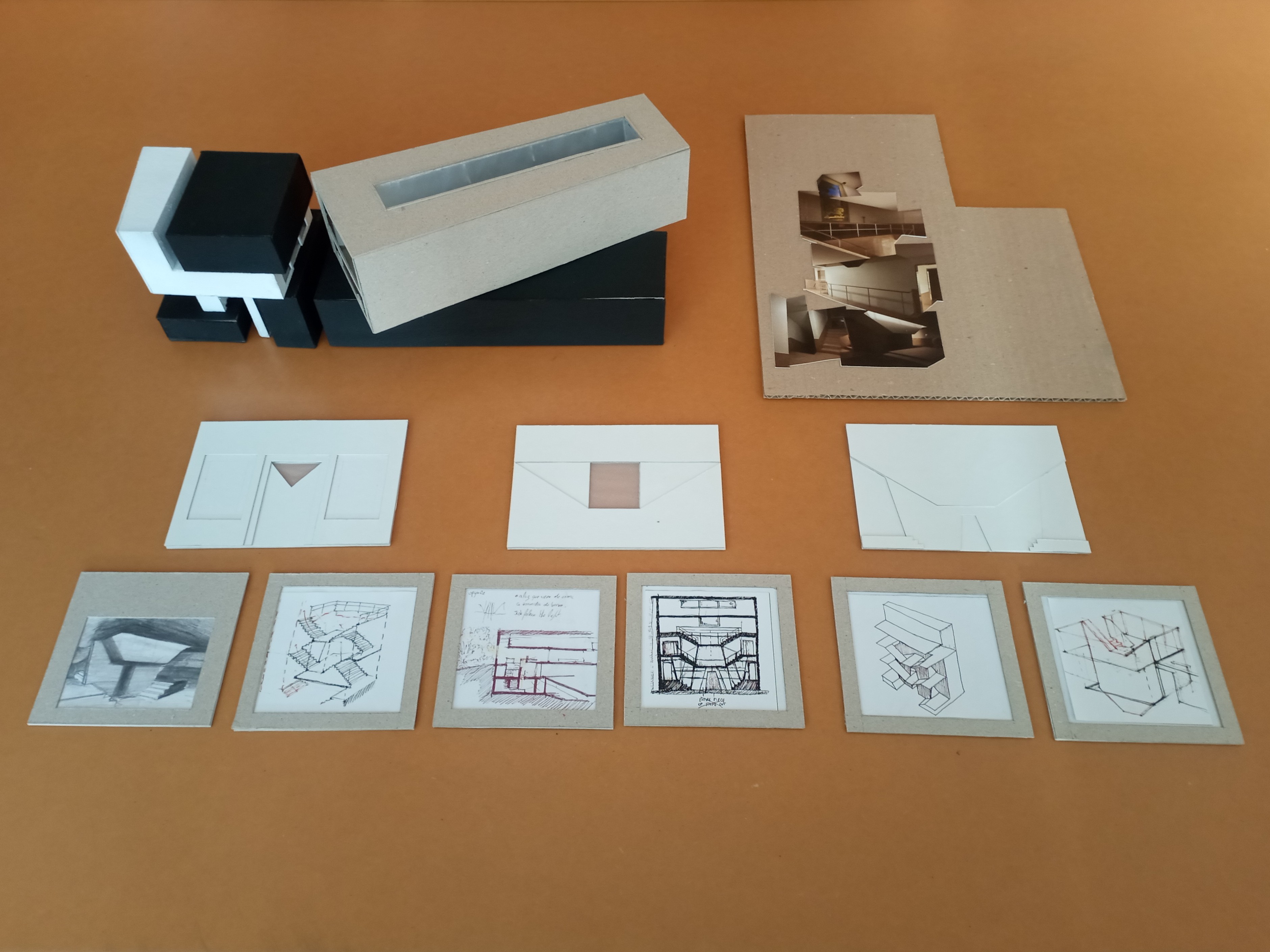
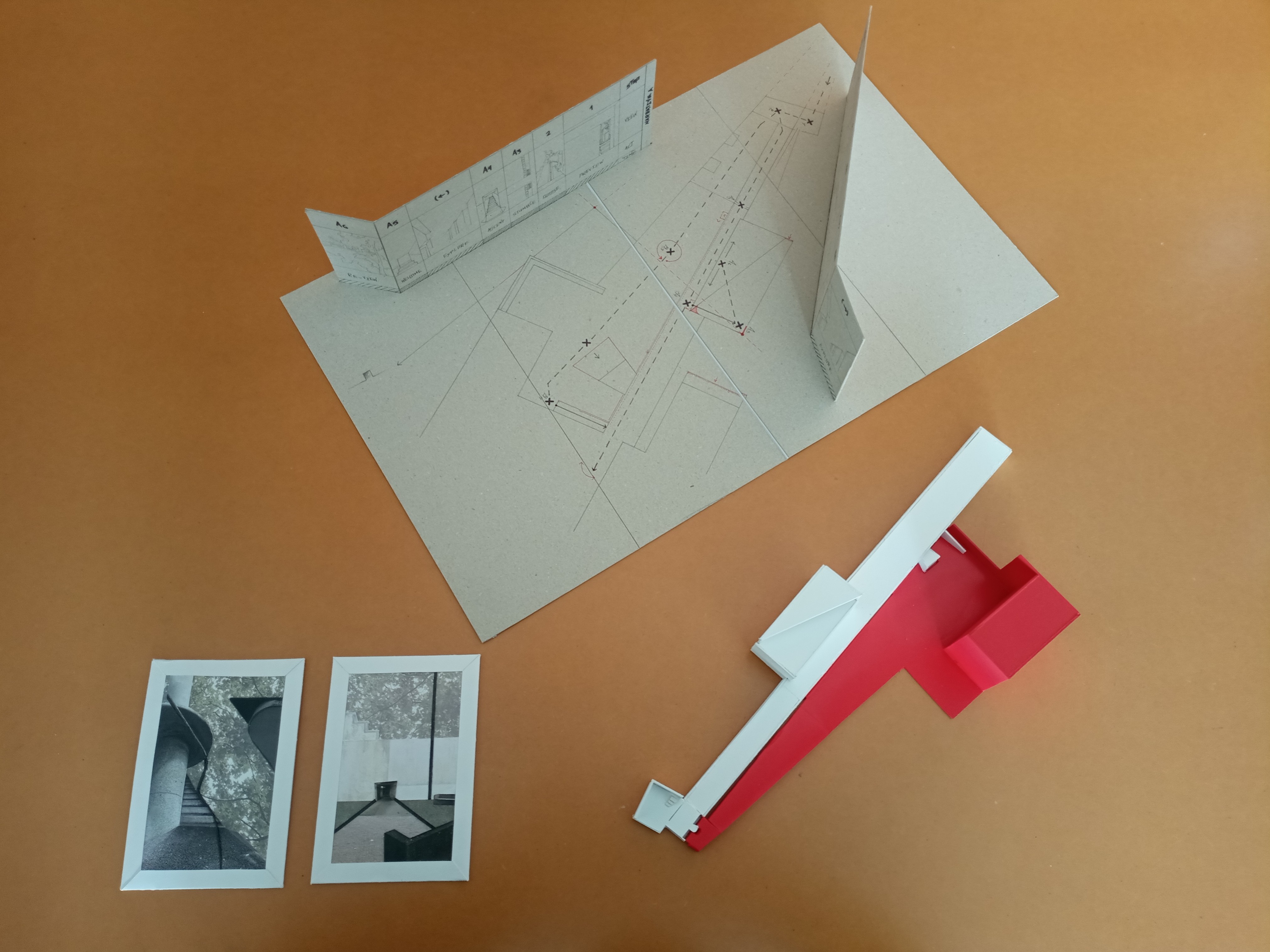
The IPL's main outcome was presented as a “souvenir box”, inspired by André Malraux's “Le musée imaginaire” (1952) and Mansilla + Tuñón Architects’ “Playgrounds” (2008/2014).
Each students group organised a pre-purchased cardboard box that can easily travel, containing an ensemble of authorial Grand Tour gifts, memories, and didactic lessons expressed through a postcard series, a kinetic narrative, and a totem, employing digital and analogical tools, in accordance with FAUP’s drawing practices.
Within the UpGranT didactic framework, these souvenirs correspond to the creation of visual reinterpretations, architectural narratives and a model. The conception and elaboration of each of these components were monitored by a team of two professors from different academic institutions, thereby enhancing transversal contact and fostering mutual didactic and cultural exchange between professors and student groups.
On: FAUP's Cafetaria
Developed by: Erdal Giacomo, Parisa Etemadi, Gina Celestini Radaelli, Kristīne Zane Čible, Christina Maria Konstantinidou, Rebeka Kollo.
Partner Institutions monitored: postcard series (visual reinterpretation) – LMA and EKA; kinetic narratives (architectural narrative) – FAUP and AUTH; totem (model) – POLIMI and UNIBO.
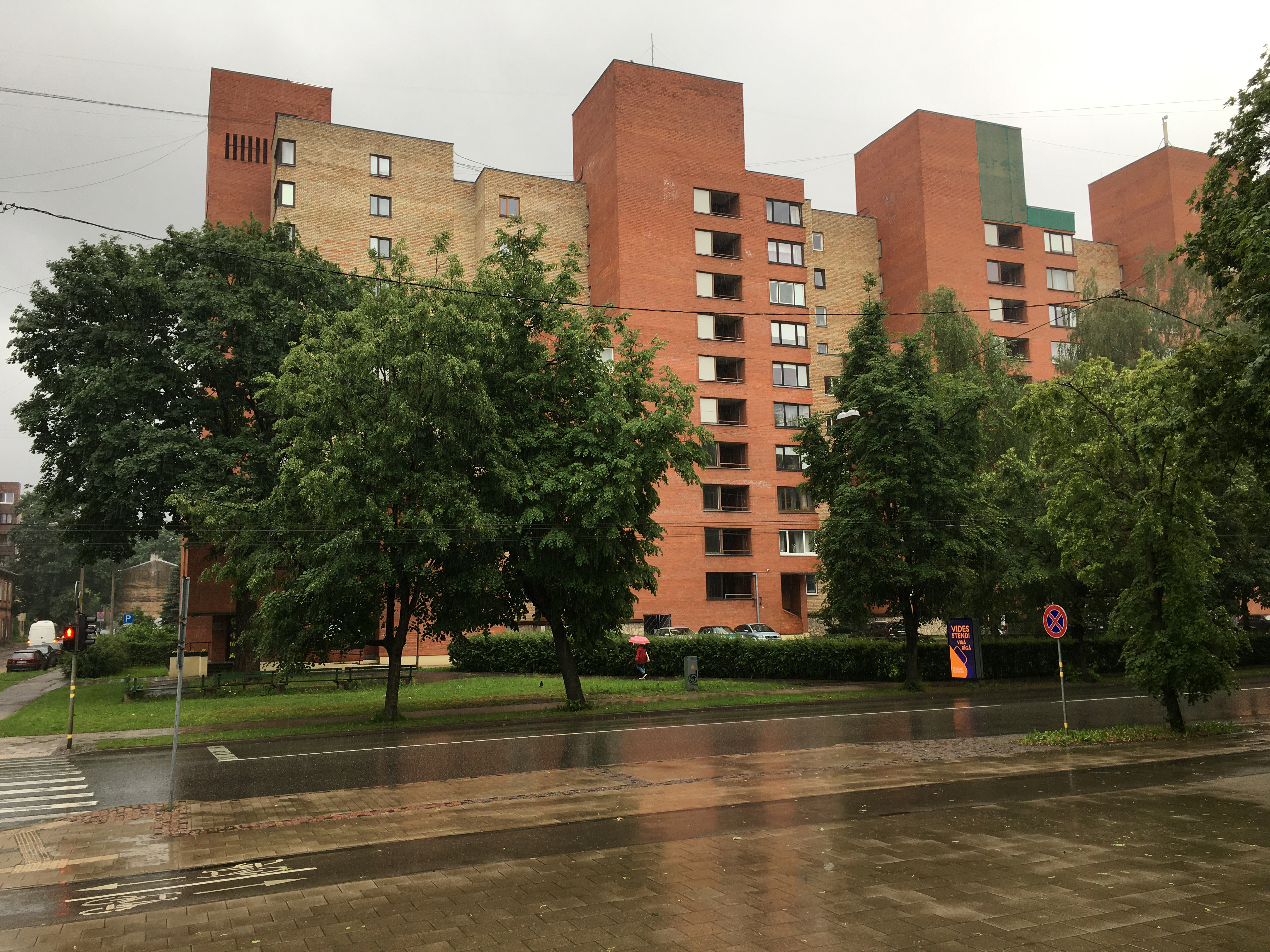

On May 24, Porto Team presented in person the UpGranT project to the Institutional Partner Casa da Arquitetura – Portuguese Center for Architecture.
In Casa da Arquitetura, Porto Team collected archive documentation on Braga Stadium, Bouro Convent, and Carandá Market, one of Porto Team’s Exemplary Buildings.
Casa da Arquitetura also permits the Porto Team access to the João Álvaro Rocha project in its domain.
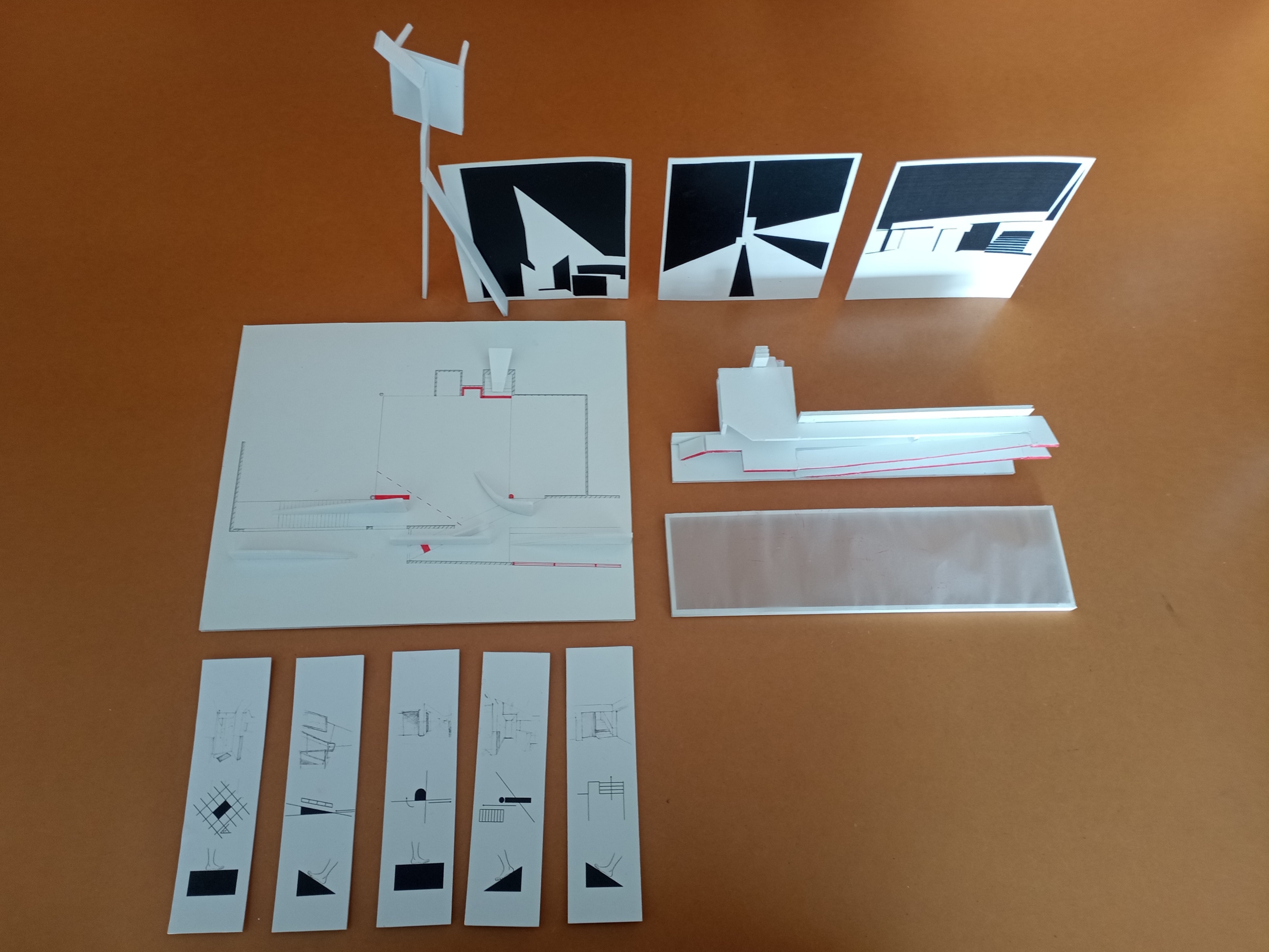
On: FAUP's main lobby.
Developed by: Francesco Ramella, Maria Gião, Giuseppe Buttazzo, Emīlija Anete Ozoliņa, Despoina Athanasiou, Liina Pärn.
Partner Institutions monitored: postcard series (visual reinterpretation) – LMA and EKA; kinetic narratives (architectural narrative) – FAUP and AUTH; totem (model) – POLIMI and UNIBO.

AUTh team visits the office of architect I. Vlahos in search of archival material regarding joints projects with Grand Tourist L. Papadopoulos and the late G.Papakostas.

AUTh team visits the office of AUDO architects (Costis and Phivos Skroumbelos) in search of archival material on the Polytechneion School (School of Architecture, and School of Civil Engineering), AUTh Campus, Thessaloniki, 1958-1962 designed by Grand Tourist Patroklos Karandinos, in close cooperation with Elias Skroumbelos and Ioannis Liapis.
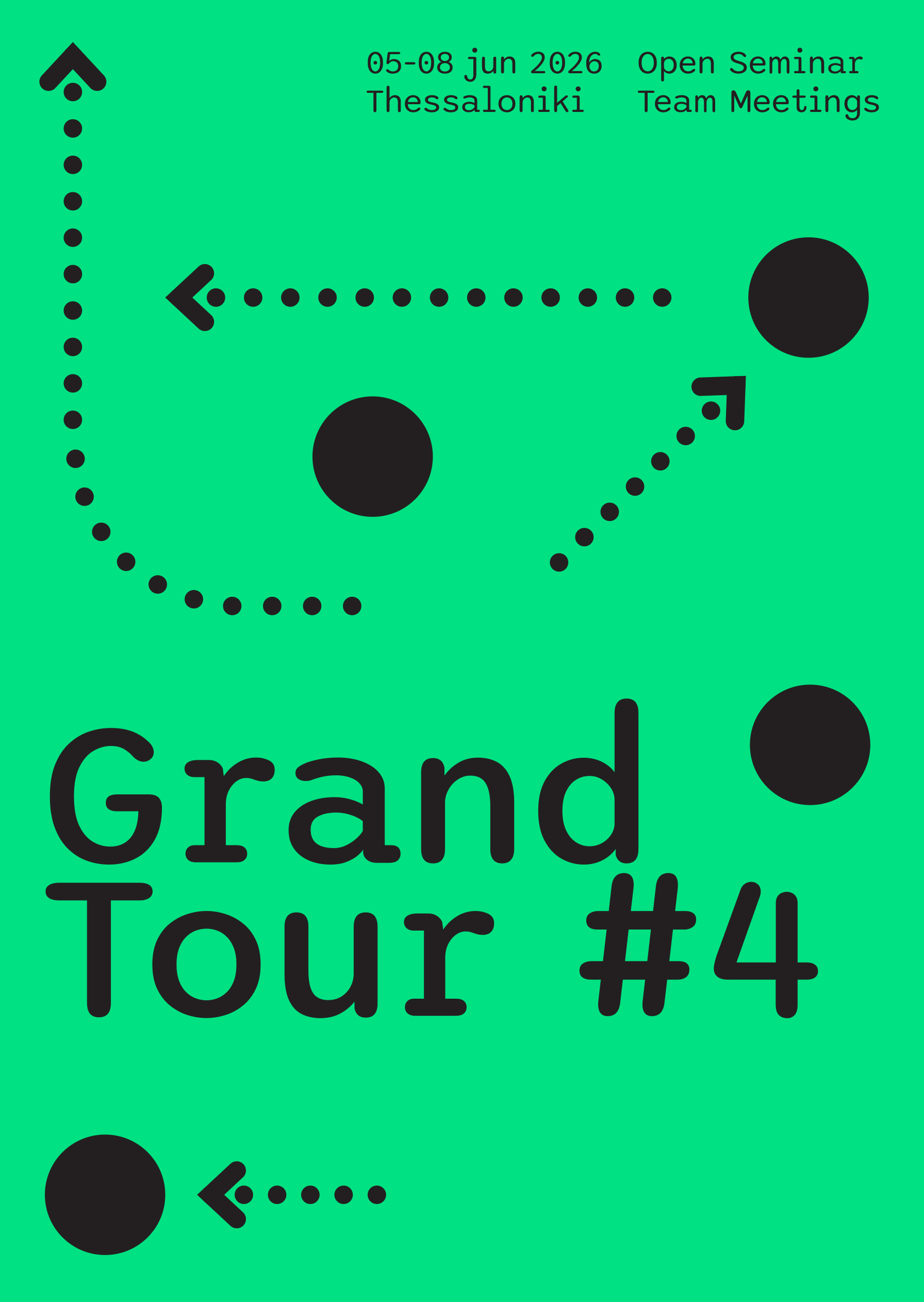
Grand Tour 4 #Thessaloniki Flyer
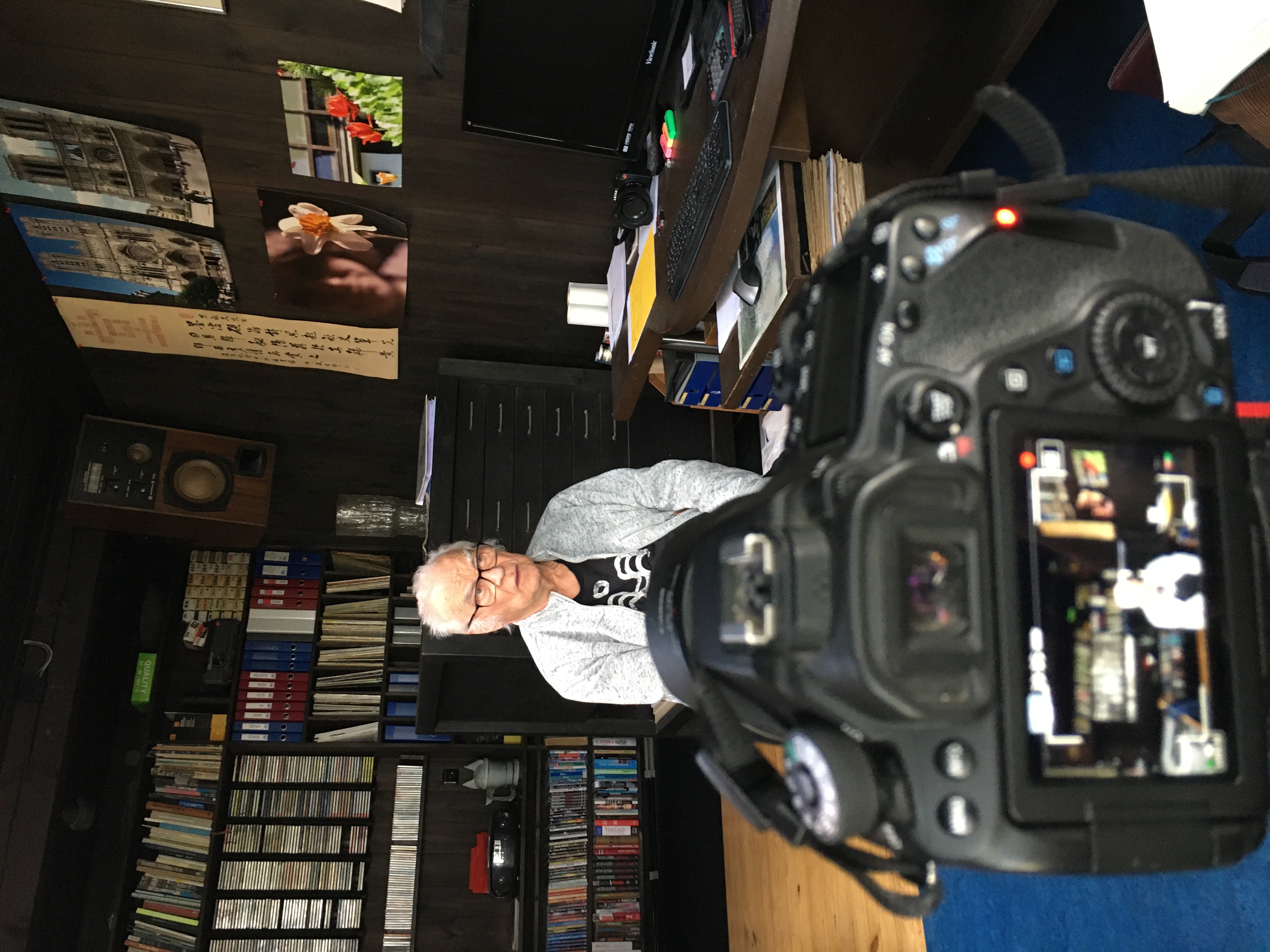
Researchers Gregor Taul and Merilin Tee conducted an interview with Raine Karp in the house he designed for himself in Merivälja. Raine Karp designed his home in 1968 (project 1968, completed 1975), but it took almost a decade to finish it because during the Soviet period, sourcing building materials was not an easy process. It is one of the most outstanding private houses of Soviet-era Estonian architecture. The architect placed the technical rooms on the ground floor and all the living on the first floor, where the rooms are juxtaposed between two elegant corridors. The second floor also houses the architect's studio, where the interview took place.
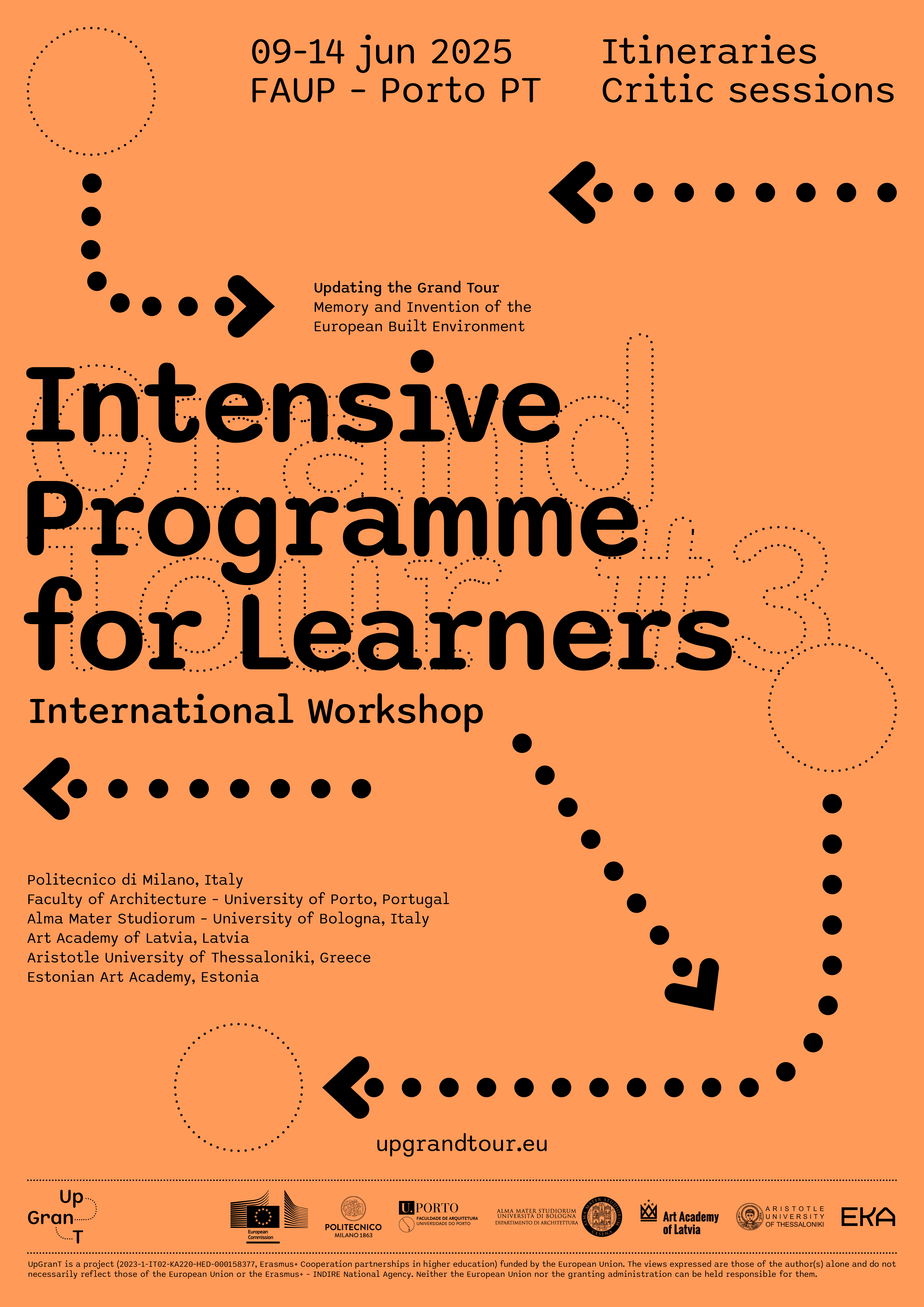
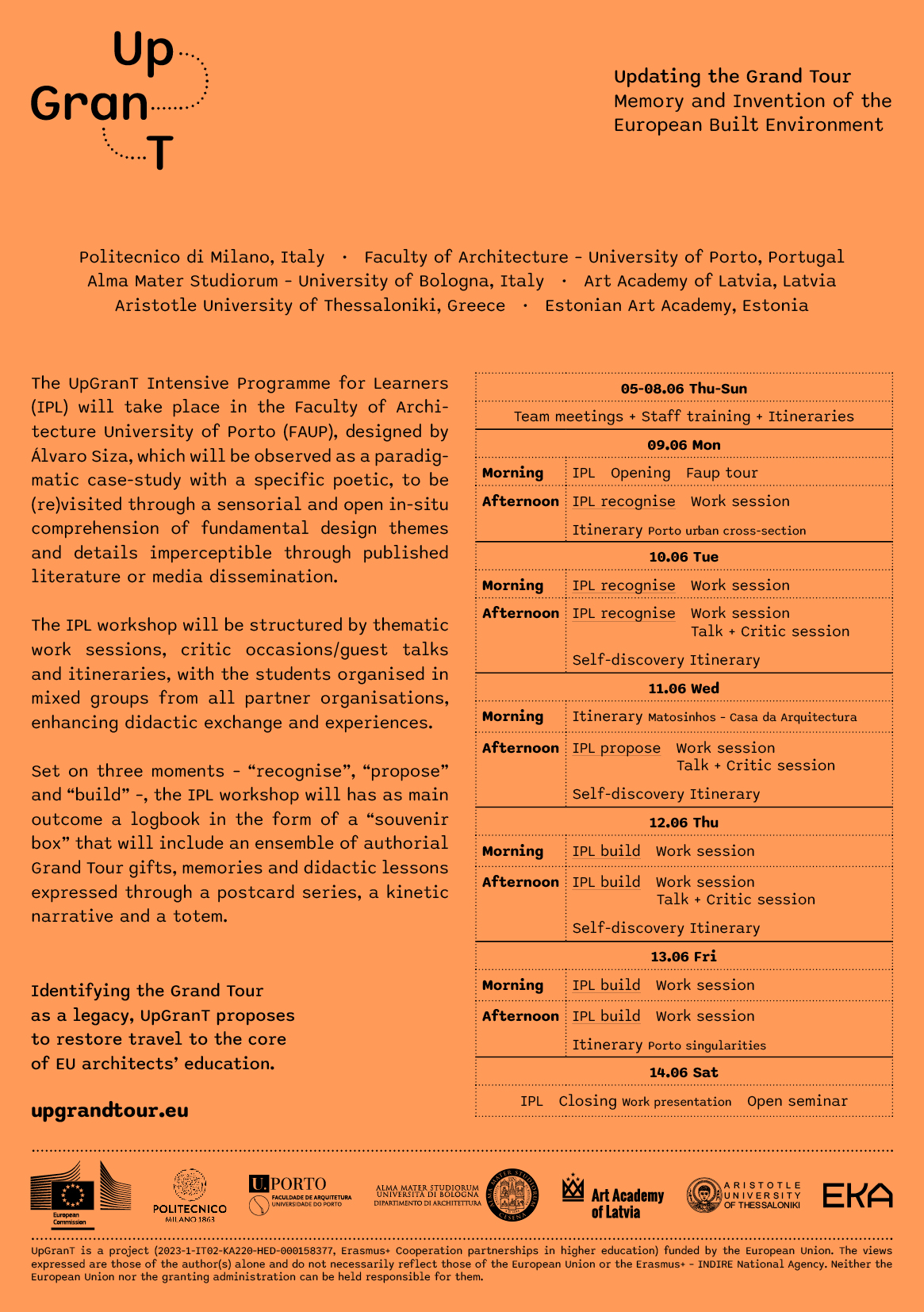
In 2025, from June 9 to June 14, as part of the UpGranT Grand Tour to Porto, the UpGranT Intensive Programme for Learners (IPL) took place at the Faculty of Architecture – University of Porto (FAUP).
The IPL was a six-day international workshop specifically focused on the Architectural Design Process, organised between the UpGranT Consortium, with the participation of 36 students and 12 professors.
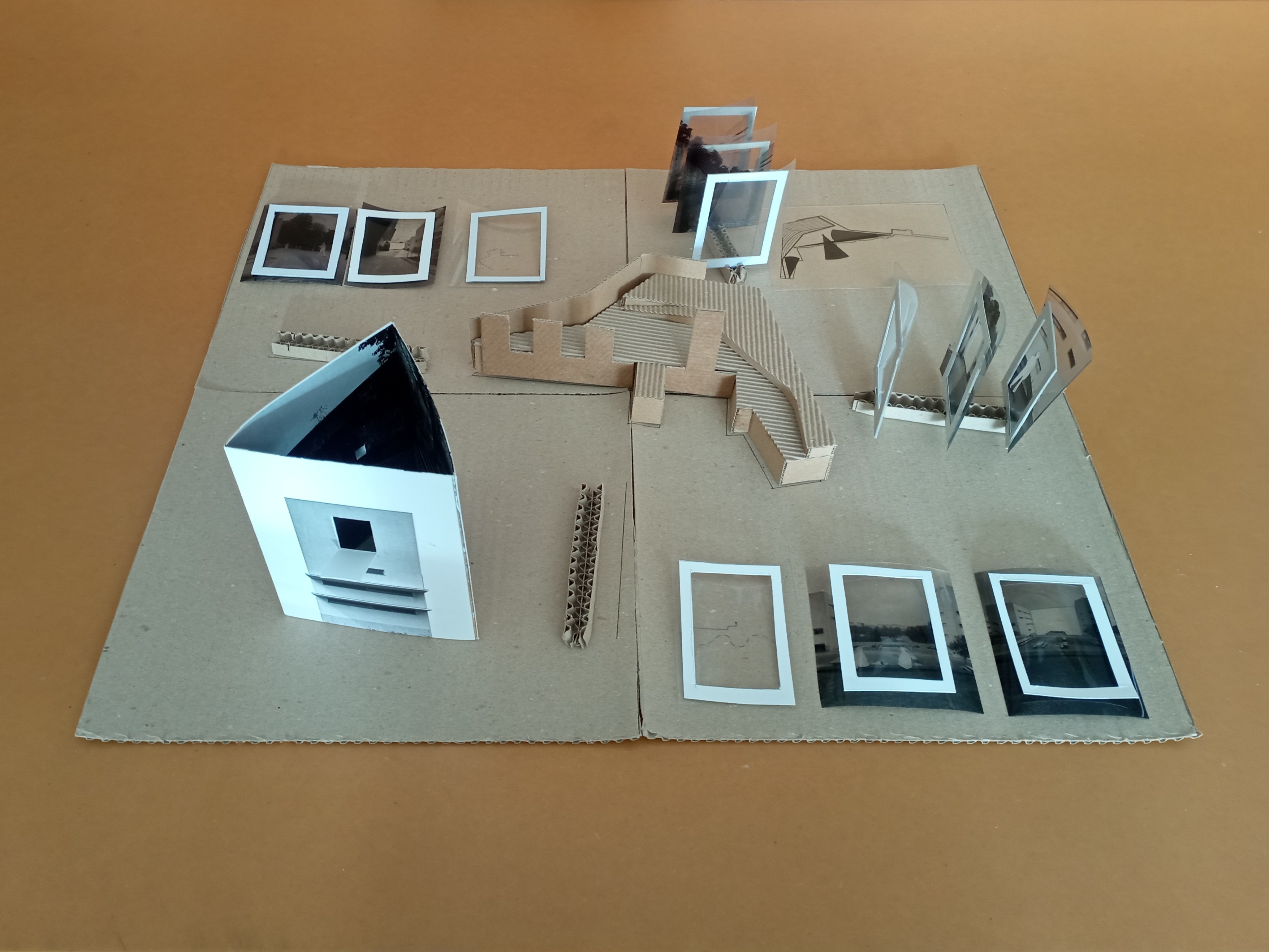
On: FAUP's Courtyard.
Developed by: Davide Santoro, Tomás Martins, Davide Renzulli, Areti Dafnia, Ulvi Tiit.
Partner Institutions monitored: postcard series (visual reinterpretation) – LMA and EKA; kinetic narratives (architectural narrative) – FAUP and AUTH; totem (model) – POLIMI and UNIBO.
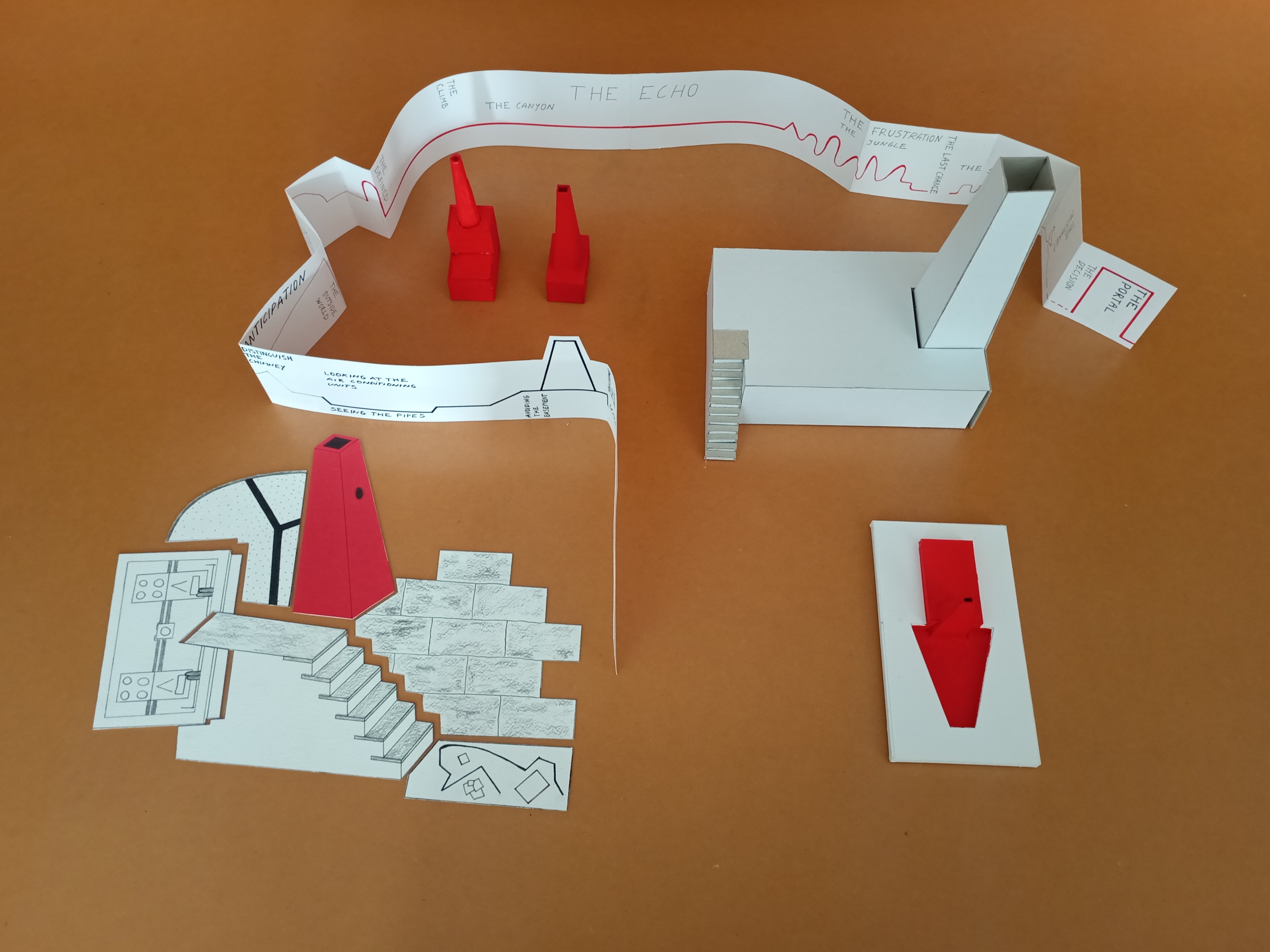
On: FAUP's technical area
Developed by: Quentin Pechinot, Anna Lopes, Sofia Tagliatesta, Ioannis Soufleris, Kristiina Theresa Kuusik, Gert Christjanson.
Partner Institutions monitored: postcard series (visual reinterpretation) – LMA and EKA; kinetic narratives (architectural narrative) – FAUP and AUTH; totem (model) – POLIMI and UNIBO.
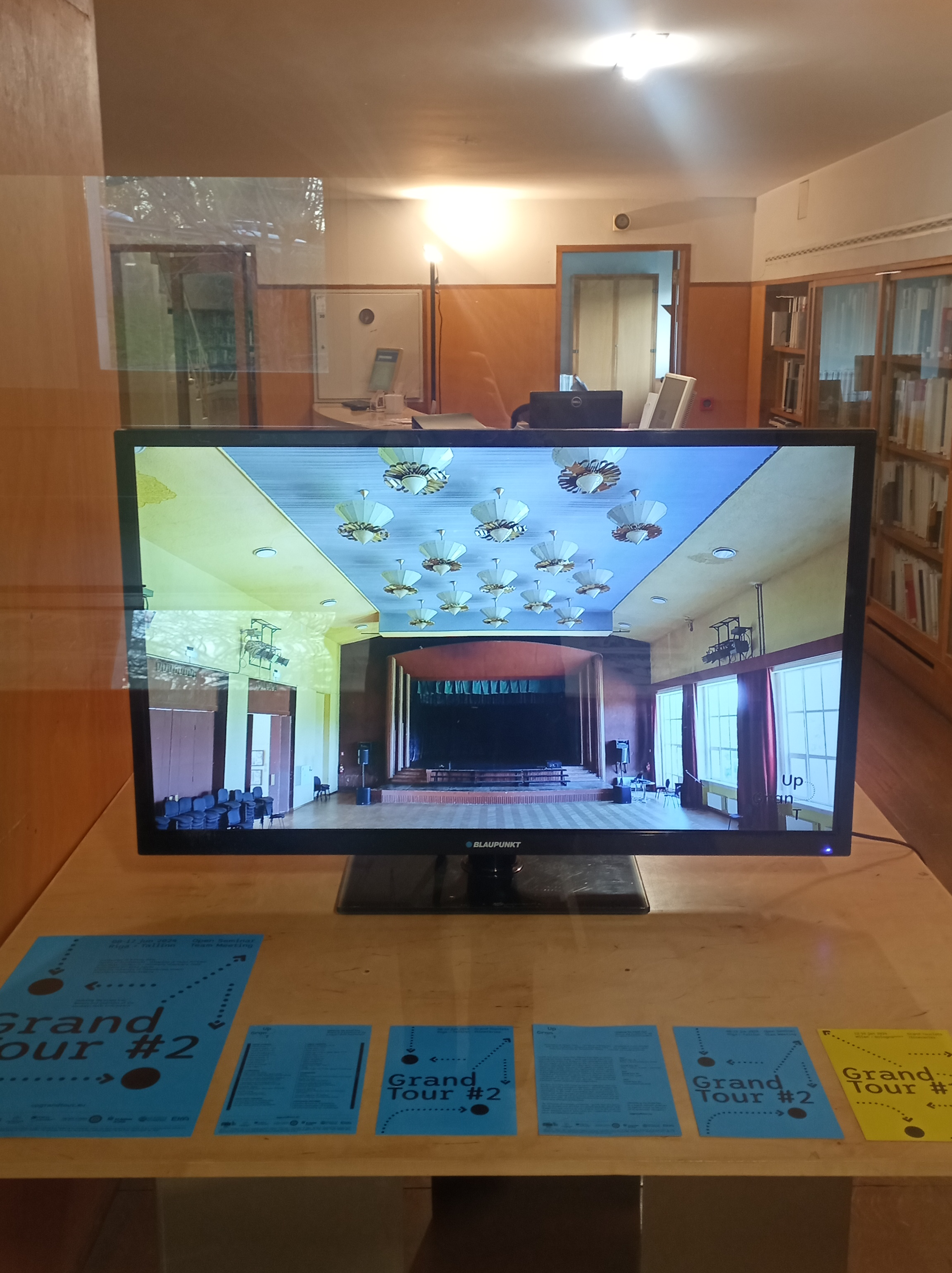
Just before the call to UpGranT Workshop (IPL) launch, all who stepped inside FAUP’s library are invited to glimpse Grand Tour # 2 to Riga and Tallinn through its virtual exhibition.
Porto Team curated, organized, and installed the video presentation of Grand Tour # 2, with its dedicated graphic materials and a memory of Grand Tour # 1, in FAUP’s library main access, facing the lobby. FAUP’s library is specialized in Architecture and is dedicated to serve not only the scientific community of the Faculty and University but also the general public.
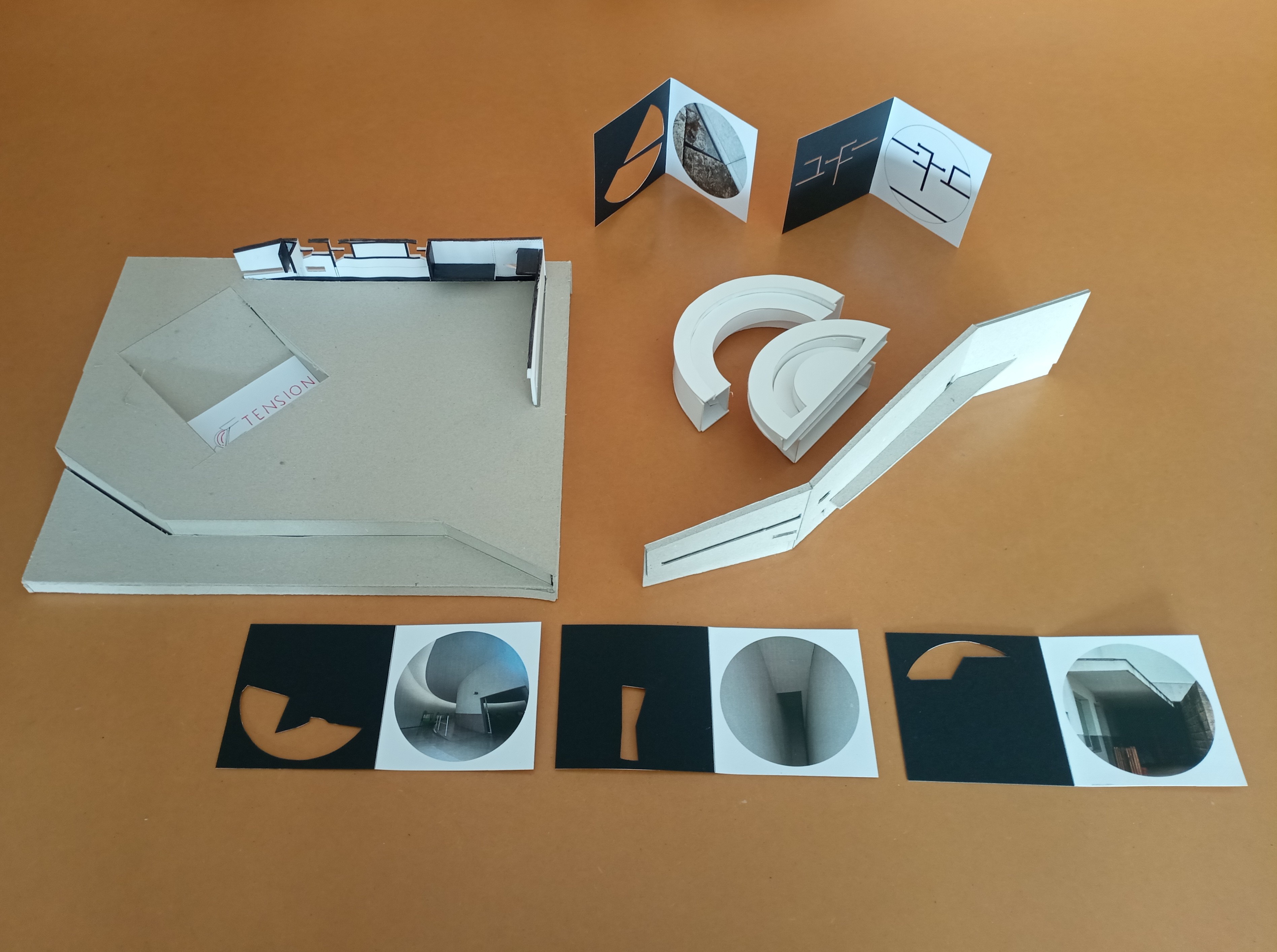
On: FAUP's Museum.
Developed by: Giullio Crispino, Joana Gastalho, Luciana Aloisio, Irini Antonakaki, Loukia Kotsifou, Markus Sig.
Partner Institutions monitored: postcard series (visual reinterpretation) – LMA and EKA; kinetic narratives (architectural narrative) – FAUP and AUTH; totem (model) – POLIMI and UNIBO.
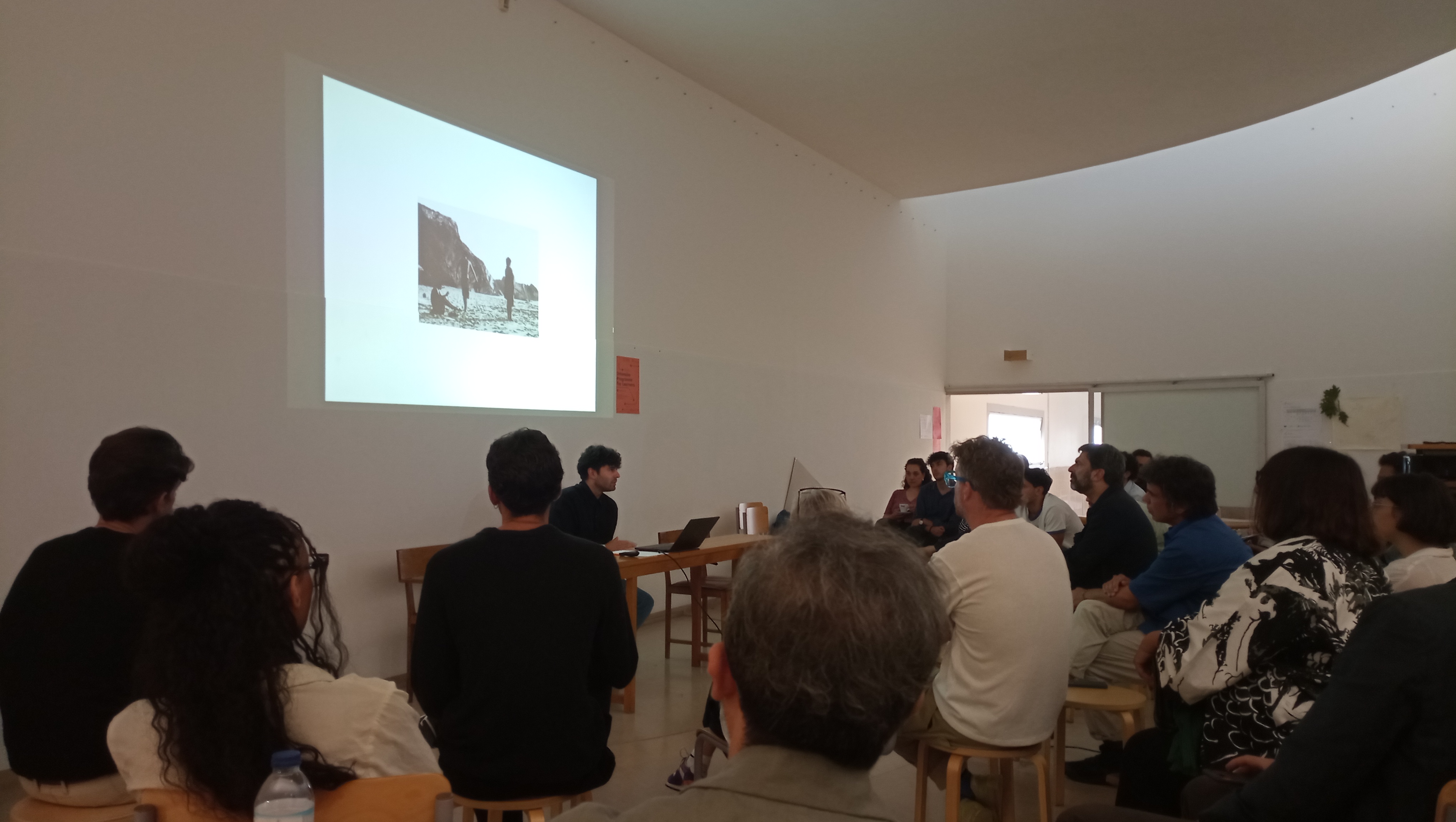
On June 14, 2025, the Grand Tourist Nuno Melo Sousa participated in the Open Seminar held during the IPL with the conference "Travelling". The conference closed the six-day workshop, held in FAUP´s central museum space.
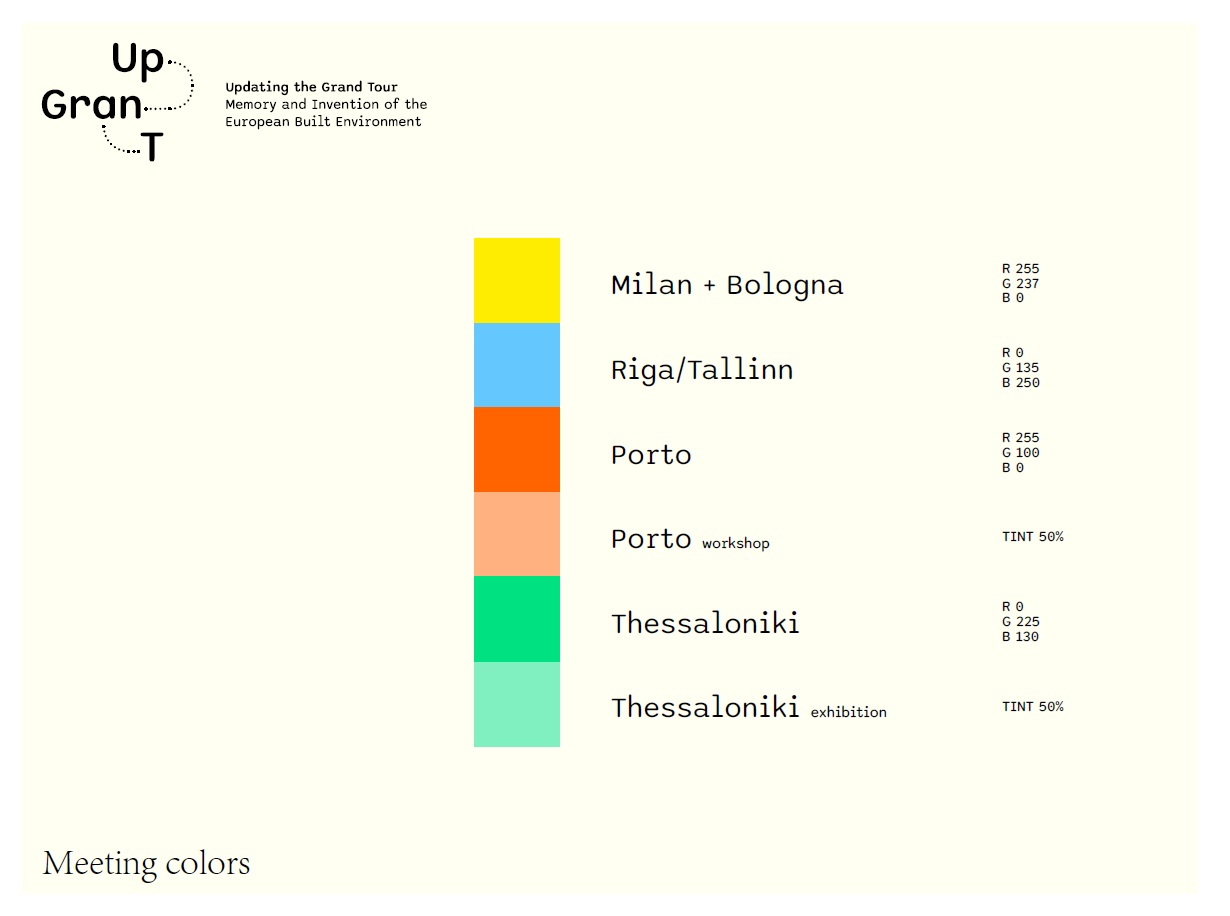
The Porto Team worked with graphic designer Marta Ramos to create the UpGranT visual identity.
The project's colour palette was was tailored to its main activities - the four Grand Tours with an international workshop and an international exhibition.
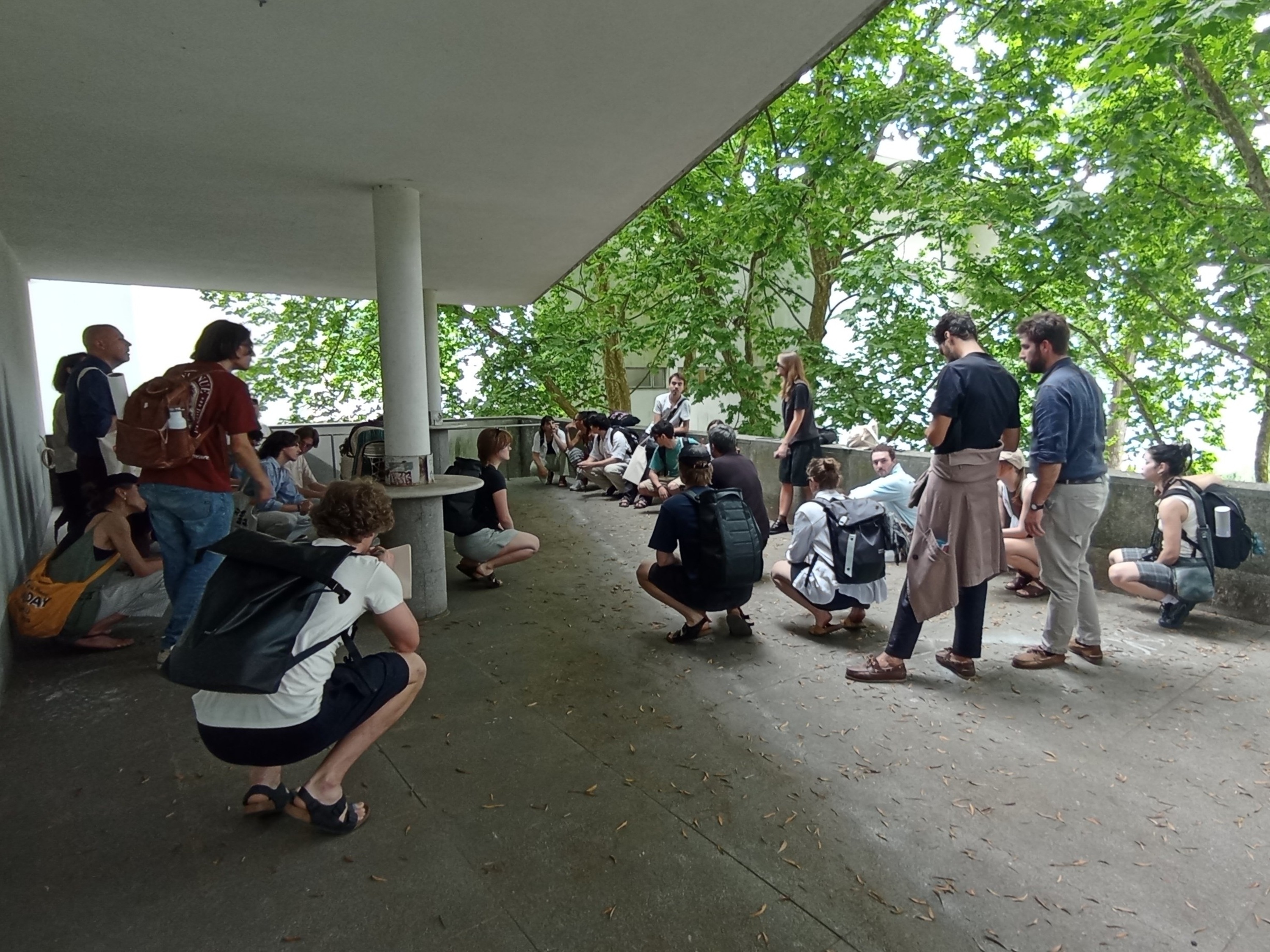
In the pursuit of the most immersive experience for students, IPL considered a single case study with full open access - FAUP.
The FAUP ensemble, designed by Álvaro Siza (1979-1996), was understood as a paradigmatic case study with a specific poetics that can be (re)visited through a heightened sensorial and in situ comprehension of fundamental design themes and details that are difficult to perceive or even understand through published literature or media dissemination.

In the first week of July 2025, the Porto Team implemented the teaching module TRAVEL LAB with 14 high school students and two monitor students from FAUP. The participants drafted an “elective affinities map of previous travels”, outlined a “travel guide” with an itinerary, enjoyed a “group travel experience” to architecture and sculpture works, designed “souvenirs” based on new authorial narratives and drafted an “atlas for future travels” triggered by the recent travel experience.
TRAVEL LAB was framed by the University of Porto – Junior University (UJR), 2025 edition.
Porto Team thanks the UpGranT Institutional Partners, Alberto Carneiro Art Center and Santo Tirso International Museum of Contemporary Sculpture, for welcoming the group travel experience with special guided tours.